The Evolution of British Home Design in 2025
British homes are experiencing a remarkable transformation. From converted Victorian terraces to contemporary warehouse apartments, our relationship with interior spaces has fundamentally shifted. We're no longer content with static rooms that serve single purposes – instead, we're embracing dynamic environments that adapt to our ever-changing lifestyles.
The pandemic years taught us valuable lessons about the importance of our domestic environments. Now, as we look towards 2025, these insights are crystallising into distinct design movements that prioritise both aesthetics and functionality.
Sustainable Living Becomes the New Standard
Eco-conscious design has moved from niche interest to mainstream necessity. British homeowners are increasingly choosing materials and furnishings that reflect their environmental values without compromising on style.
The shift towards sustainability manifests in several key areas:
- Reclaimed timber from decommissioned buildings finding new life in bespoke furniture
- Natural cork and bamboo flooring replacing synthetic alternatives
- VOC-free paints and finishes improving indoor air quality
- Vintage pieces restored rather than replaced, creating unique character
This conscious approach extends to furniture selection, with custom-made pieces designed for longevity rather than following fleeting trends. Quality crafted furniture represents an investment in both your home's aesthetic and the planet's future.
Flexible Spaces for Modern British Living
The traditional British home layout is evolving. Period properties with their distinct room functions are being reimagined to accommodate contemporary living patterns. The drawing room doubles as a workspace, whilst the dining room transforms into a creative studio when needed.
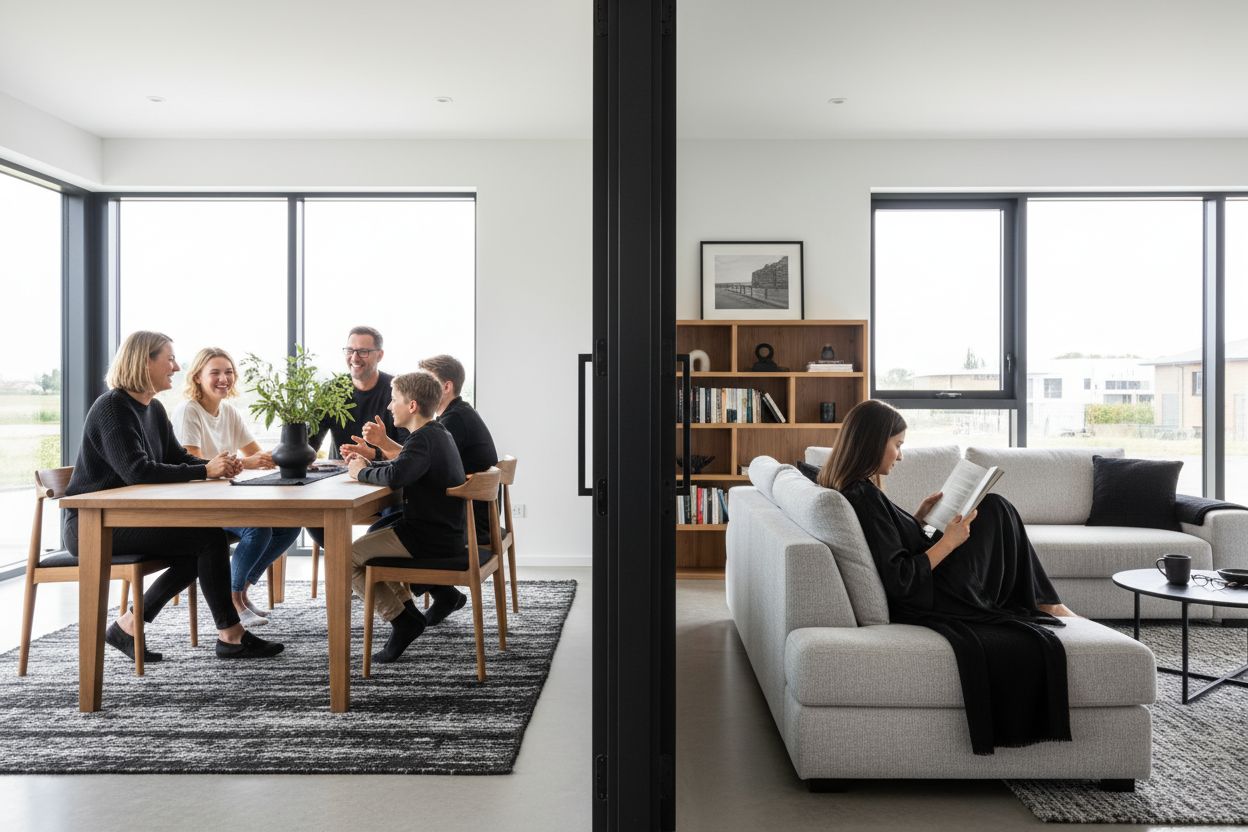
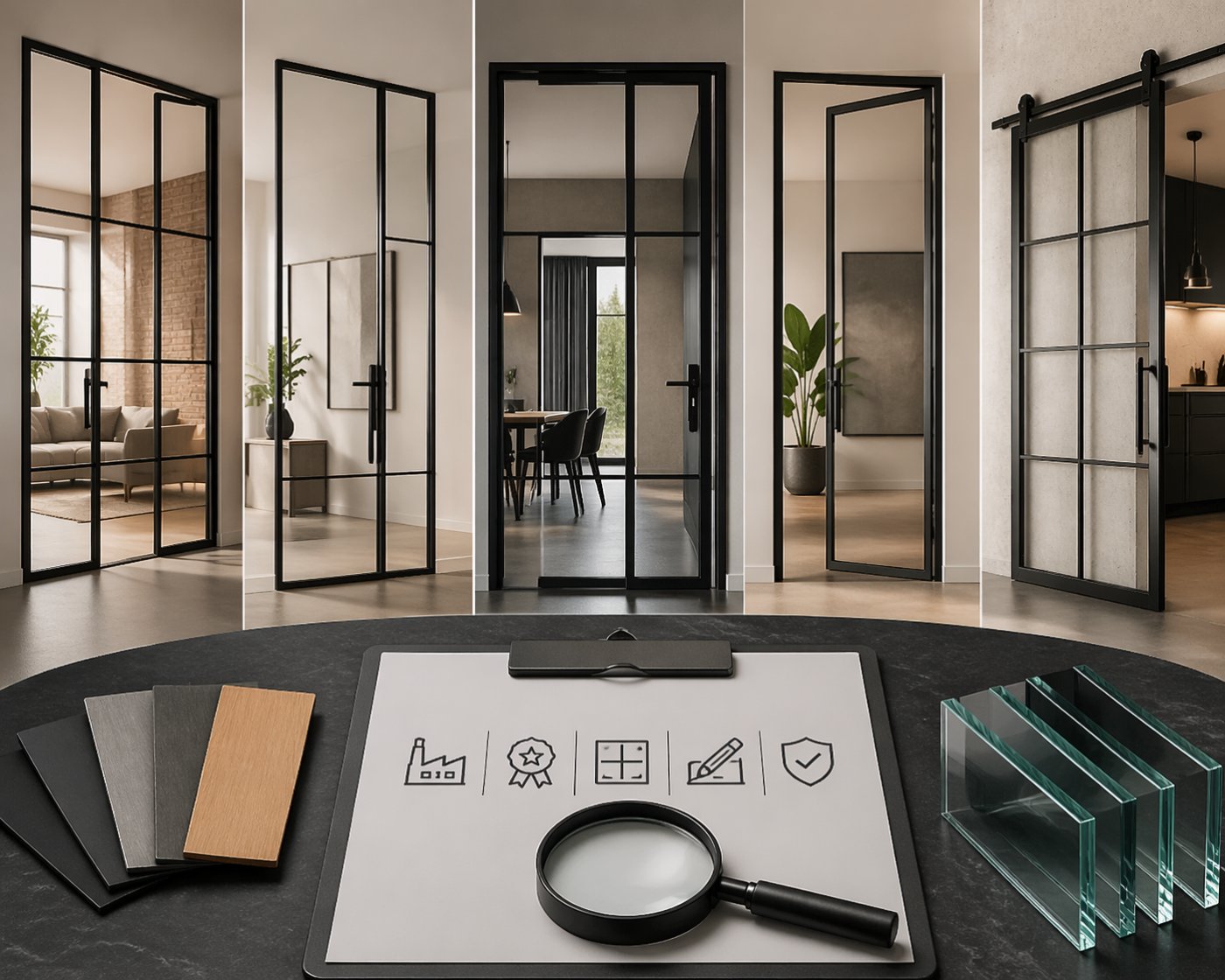
This flexibility requires clever design solutions. Room dividers and partition systems allow spaces to be reconfigured without major structural changes. Loft-style doors exemplify this trend perfectly – they provide privacy when required whilst maintaining the open, airy feel that characterises modern British interiors.
The Rise of Multi-Purpose Dining Areas
Nowhere is this flexibility more evident than in dining spaces. The traditional dining table is being reimagined as a multi-functional centrepiece. During the day, it serves as a desk or craft table; by evening, it becomes the heart of family gatherings.
Custom dining tables are increasingly popular because they can be tailored to specific spatial requirements and usage patterns. A table designed for your exact space dimensions maximises functionality whilst maintaining aesthetic appeal.
Industrial Chic Meets British Cosiness
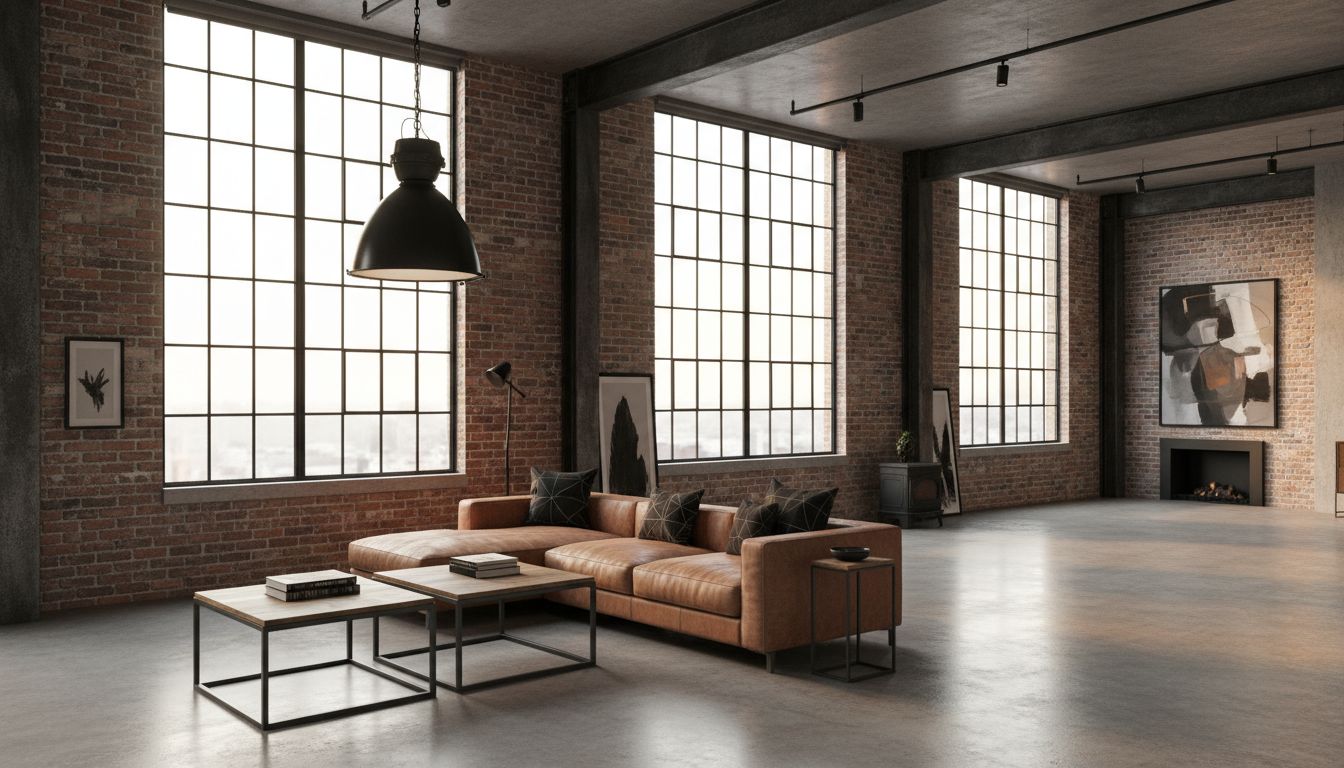
The industrial aesthetic continues to captivate British homeowners, particularly those in converted warehouses and period properties with character features. However, the harsh edges of pure industrial design are being softened with quintessentially British elements.
This hybrid approach combines:
- Exposed brick walls with rich, textured fabrics
- Steel framework paired with warm oak elements
- Concrete surfaces balanced by soft lighting and plants
- Raw materials tempered by comfortable seating arrangements
The key is achieving balance. Industrial elements provide structure and visual interest, whilst softer components ensure the space feels welcoming rather than cold.
Technology Integration Without Visual Clutter
Smart home technology is becoming increasingly sophisticated, yet the trend in 2025 leans towards invisible integration. British homeowners want the benefits of connected living without the visual distraction of obvious tech elements.
Innovative solutions include:
- Voice-controlled lighting systems that adjust throughout the day
- Hidden speakers integrated into wall and ceiling structures
- Automated window treatments that respond to weather conditions
- Climate control systems that learn from usage patterns
This seamless integration allows period features and contemporary design elements to take centre stage whilst technology works quietly in the background.
Natural Colour Palettes Inspired by the British Landscape
Colour trends in 2025 draw heavily from Britain's natural environment. Deep forest greens reminiscent of the Scottish Highlands, warm sandstone tones echoing Cotswold villages, and rich earth colours inspired by the Yorkshire Dales are dominating interior schemes.
These natural hues create calming environments that feel connected to the landscape outside. They also provide excellent backdrops for both vintage finds and contemporary pieces, making them particularly suitable for British homes that often blend different periods and styles.
Organic Forms Replace Sharp Geometries
Alongside natural colours, organic shapes are becoming increasingly prevalent. Furniture with curved edges, flowing lines, and natural forms creates a more relaxed atmosphere. This shift away from rigid geometries reflects our desire for softer, more nurturing home environments.
Bringing Nature Indoors
British homes are embracing biophilic design principles with enthusiasm. Large windows maximise natural light – particularly important given our climate – whilst plants become integral design elements rather than mere decorative additions.
Vertical gardens, statement plants, and natural materials create connections between indoor and outdoor spaces. This is especially valuable in urban environments where access to green space may be limited.
Personalisation Over Mass Market Solutions
The cookie-cutter approach to home design is disappearing. British homeowners increasingly value uniqueness and personal expression over standardised solutions. This shift towards customisation reflects a broader cultural movement towards individuality and self-expression.
Bespoke furniture and custom fittings allow homeowners to create spaces that truly reflect their personalities and lifestyles. At Manufaktur X, we've seen growing demand for personalised solutions that address specific spatial challenges whilst maintaining high design standards.
Strategic Room Division for Open-Plan Living
Open-plan living remains popular in British homes, but there's growing recognition that some level of zoning enhances functionality. Rather than reverting to solid walls, designers are using clever visual cues to delineate different areas.
Room dividers play a crucial role in this approach. They allow light to flow whilst creating distinct zones for different activities. Glass panels maintain visual connection whilst providing acoustic separation – perfect for homes where work and leisure activities overlap.
Statement Lighting as Sculptural Elements
Lighting design is becoming increasingly sophisticated. Rather than relying solely on overhead fixtures, 2025 interiors feature layered lighting schemes that create atmosphere and highlight architectural features.
Pendant lights are being treated as sculptural pieces that remain visually interesting even when not illuminated. This approach suits British homes well, where period features often benefit from dramatic lighting to showcase their character.
Acoustic Comfort in Open Spaces
As homes become more open-plan, acoustic comfort becomes increasingly important. British homeowners are discovering that hard surfaces, whilst visually appealing, can create challenging sound environments.
Solutions include strategically placed soft furnishings, acoustic panels disguised as art pieces, and clever use of textural elements to absorb sound. The goal is creating spaces that feel both visually open and acoustically comfortable.
Health-Conscious Material Selection
There's growing awareness of how interior materials affect health and wellbeing. British homeowners are choosing low-emission finishes, natural fibres, and materials that contribute to better indoor air quality.
This health-conscious approach extends to furniture selection. Solid wood pieces with natural finishes, metal frameworks with powder coating rather than painted surfaces, and glass elements all contribute to healthier indoor environments whilst offering aesthetic benefits.
The Japandi Influence on British Interiors
The fusion of Japanese minimalism with Scandinavian cosiness – known as Japandi – is finding particular resonance in British homes. This aesthetic philosophy aligns well with our appreciation for both understated elegance and comfortable living.
Japandi principles emphasise:
- Quality craftsmanship over quantity
- Natural materials in their authentic state
- Functional beauty that serves daily life
- Acceptance of wear and patina as part of an object's story
This approach suits British sensibilities, with our appreciation for heritage and quality craftsmanship.
Circular Design and Upcycling Culture
The throwaway culture is being replaced by a more thoughtful approach to consumption. British homeowners are increasingly interested in furniture and fittings designed for longevity, repairability, and eventual recycling.
Upcycling has evolved from necessity to creative expression. Vintage finds are being transformed into contemporary pieces that tell stories whilst serving modern needs. This approach creates interiors with genuine character and environmental credentials.
Creating Flexible Environments with Quality Room Solutions
The demand for adaptable spaces continues to grow as our living patterns become more fluid. Quality room division solutions enable this flexibility without compromising on design integrity.
Modern partition systems need to offer:
- Easy reconfiguration as needs change
- Acoustic performance for various activities
- Visual appeal that enhances rather than detracts from interior design
- Durability to withstand regular use
For those seeking custom solutions that address specific spatial challenges, professional consultation can help identify the most appropriate approach for individual circumstances.
The Future of British Home Design
As we move through 2025, British homes are becoming more thoughtful, sustainable, and personally meaningful. The trends we're seeing reflect broader cultural shifts towards environmental consciousness, health awareness, and authentic self-expression.
The most successful interiors will be those that balance these contemporary concerns with the timeless qualities that make British homes special – comfort, character, and the ability to evolve with changing needs whilst maintaining their essential charm.
Whether you're transforming a Victorian terrace, updating a modern apartment, or creating flexible zones in an open-plan space, the key is choosing solutions that reflect both current trends and lasting values. Quality, sustainability, and personal expression will continue to drive interior design choices well beyond 2025.