
3 May 2025 · ManufakturX Team
Loft Style Living - Industrial Charm Meets Contemporary Design
The Rise of Industrial Chic in British Homes
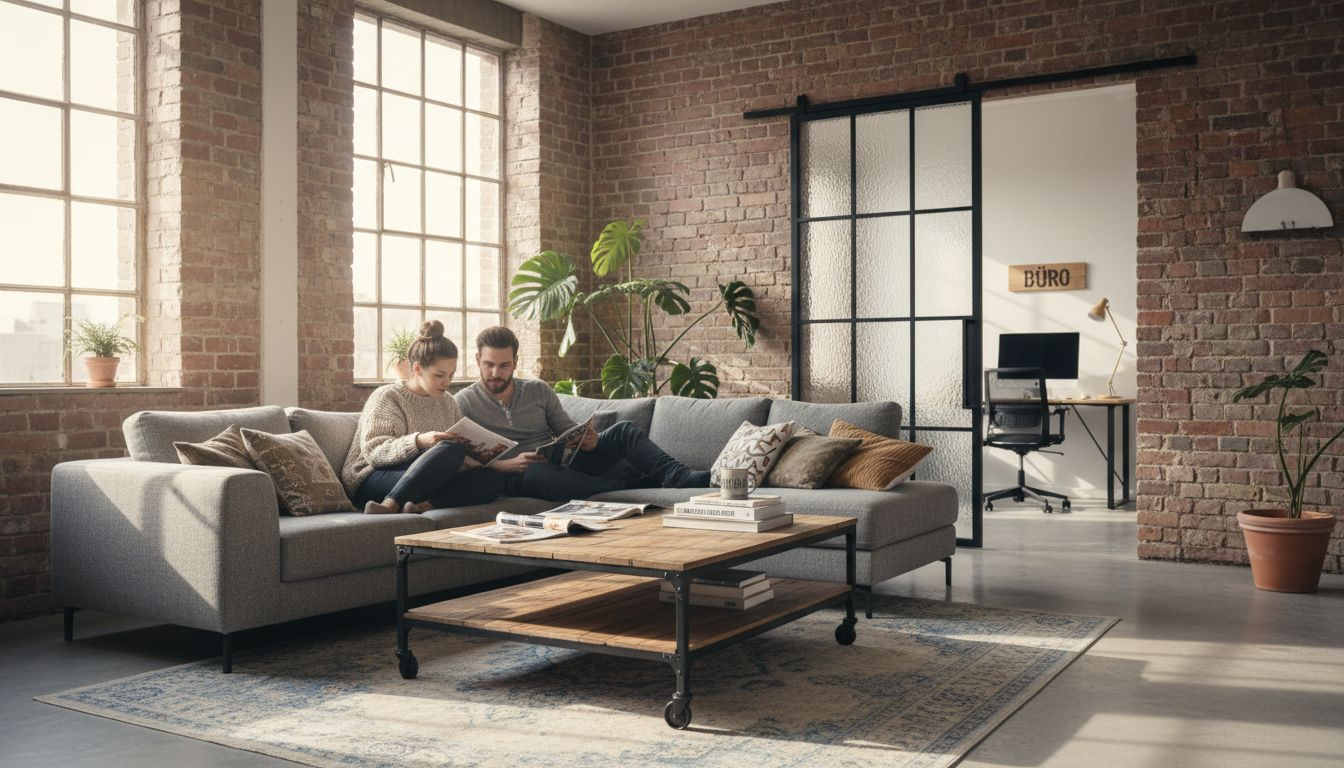
Picture this: soaring ceilings, exposed brick walls, and vast windows flooding raw spaces with natural light. This is the essence of loft style living - a design philosophy that has captivated homeowners from converted Victorian warehouses in East London to modern flats across Manchester.
What began as artists' necessity in 1940s New York has evolved into one of today's most sought-after interior design movements. The loft aesthetic celebrates industrial heritage whilst embracing contemporary comfort, creating spaces that feel both authentic and refreshingly modern.
Essential Elements That Define Loft Interiors
Understanding loft style means recognising its core components. These spaces thrive on contradiction - combining roughness with refinement, utility with beauty.
Open Plan Living Concepts
Traditional room divisions dissolve in loft-style homes. Kitchen, dining, and living areas flow seamlessly together, creating expansive spaces that feel larger than their actual footprint. This approach particularly suits British period properties where removing non-structural walls can transform cramped Victorian terraces into airy modern homes.
Raw Materials as Design Features
Rather than hiding structural elements, loft style celebrates them. Exposed steel beams, concrete surfaces, and unfinished brick become focal points. These materials tell stories - of industrial heritage, honest construction, and unpretentious living.
Statement Doors and Room Dividers in Loft Design
Perhaps no single element captures loft aesthetic quite like the classic steel-framed door. These striking pieces serve dual purposes: maintaining visual flow whilst creating functional zones within open spaces.
The beauty lies in their transparency. Unlike solid doors that block sightlines and fragment space, loft-style doors with their characteristic glass panels preserve the sense of openness that defines this interior approach.
Customising Industrial Door Elements
Modern loft doors offer remarkable flexibility. Steel frames can be powder-coated in various finishes - from classic matt black to contemporary anthracite grey. The powder coating process ensures durability whilst providing even colour distribution and scratch resistance.
Glass options range from crystal-clear panels that maximise transparency to frosted alternatives offering privacy without sacrificing light. Grid patterns within the glazing can be customised to complement existing architectural features.
For British homes with non-standard openings - common in period properties - bespoke loft doors eliminate the need for costly structural modifications. Made in the EU with a 5-6 week production time, these doors arrive ready for installation.
Colour Palettes That Embrace Industrial Heritage
Successful loft interiors rely on restrained colour schemes that allow materials and textures to shine. The palette typically centres around neutrals: charcoal, dove grey, crisp white, and warm off-whites.
Natural material colours provide depth - the terracotta tones of reclaimed brick, steel's blue-grey patina, and honey-coloured oak flooring. Metallic accents in brass, copper, or brushed steel add warmth without overwhelming the space.
Balancing Cool and Warm Tones
British homes often benefit from warmer undertones given our climate and light conditions. Incorporating walnut wood elements, aged leather furniture, and soft textiles prevents loft interiors from feeling stark or unwelcoming.
Adapting Loft Style for Every British Home
You don't need a converted warehouse to embrace loft living. Clever design strategies can introduce industrial elements into any property type.
Victorian Terraces and Industrial Elements
Victorian properties offer excellent foundations for loft-inspired updates. Their high ceilings, large windows, and robust construction complement industrial aesthetics beautifully. Consider installing steel room dividers to create zones whilst preserving period character.
Modern Flats and Urban Industrial Style
Contemporary apartments can embrace loft elements through material choices and furnishing decisions. Concrete-effect walls, industrial lighting, and steel furniture pieces create authentic industrial atmosphere without major structural changes.
Furniture Selection for Industrial Interiors
Loft-style furniture emphasises function over ornamentation. Key pieces include robust dining tables combining solid wood tops with steel frames, and industrial pipe shelving that showcases books and accessories.
Mixing Textures and Materials
The most successful loft interiors layer different textures thoughtfully. Smooth steel contrasts with rough brick, polished concrete meets warm timber, and soft fabrics offset hard surfaces. This interplay creates visual interest and prevents spaces from feeling cold.
Lighting Design in Industrial Spaces
Industrial lighting serves both functional and aesthetic purposes. Pendant lights with metal shades, exposed filament bulbs, and adjustable task lighting all contribute to authentic loft atmosphere.
Track lighting systems offer flexibility whilst maintaining industrial appeal. Position spotlights to highlight textural walls or artwork, creating depth and drama in open spaces.
Sustainable Aspects of Loft Style
Beyond aesthetics, loft style embodies sustainability principles. The movement celebrates existing structures rather than demanding complete renovation. Exposed materials eliminate the need for additional finishes, reducing environmental impact.
Choosing quality pieces built to last - like custom furniture from Manufaktur X - supports circular economy principles whilst creating spaces that improve with age.
Future of Industrial Interior Design
Loft style continues evolving, incorporating new technologies whilst maintaining its essential character. Smart home systems integrate discretely into industrial aesthetics, whilst sustainable materials expand design possibilities.
The appeal remains constant: spaces that feel authentic, unpretentious, and connected to industrial heritage whilst providing contemporary comfort.
Whether you're planning a complete renovation or simply adding industrial touches, explore custom furniture options that can transform any British home into a statement of industrial elegance.
About the Author

Alexander Stelzner
Founder & CEO, Manufaktur X
Alexander Stelzner is an expert in custom-made steel-glass constructions and solid wood furniture. With years of experience in design and manufacturing, he leads Manufaktur X – where every piece is individually crafted to order in the EU.