
25 April 2026 · ManufakturX Team
How Door Room Division Transforms Your Living Space
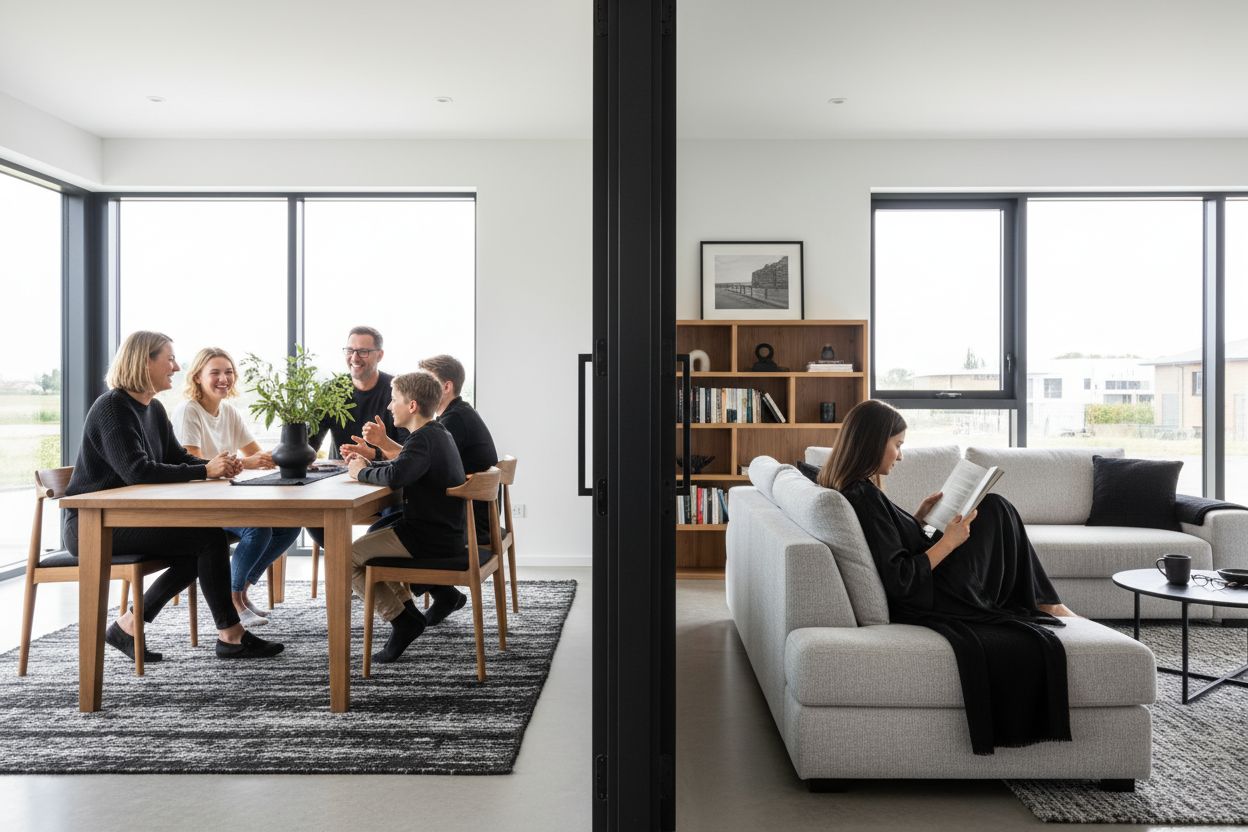
Every home tells a story through its spatial arrangement, yet most homeowners overlook one of the most powerful tools in interior design: strategic door placement and room division. In British homes, from Victorian terraces to contemporary loft conversions, doors do far more than provide access between spaces - they actively shape how we experience and interact with our living environment.
Understanding Room Division Through Doors
Room division represents a sophisticated approach to spatial design that extends well beyond simple physical barriers. In the context of modern British interiors, it encompasses the art of creating distinct zones whilst maintaining architectural flow and visual coherence throughout your property.
The Psychology of Spatial Boundaries
British homes, particularly period properties with their unique architectural constraints, benefit enormously from thoughtful spatial division. Psychological research demonstrates that well-defined boundaries enhance both productivity and wellbeing, creating spaces that serve multiple functions without compromising on comfort or privacy.
Modern room division through doors serves several crucial purposes:
- Acoustic separation between different activity zones
- Visual privacy whilst preserving natural light flow
- Temperature control for improved energy efficiency
- Flexible living arrangements that adapt to changing needs
Architectural Integration in British Homes
The beauty of contemporary door solutions lies in their ability to complement existing architectural features. Whether you're working with the high ceilings of a converted warehouse or the intimate proportions of a Georgian townhouse, strategic room division can enhance rather than compromise your property's character.
| Benefit | Application |
|---|---|
| Acoustic Control | Separating home offices from family areas |
| Light Management | Glass doors maintaining brightness whilst defining spaces |
| Privacy Creation | Ensuring personal retreat areas within open-plan layouts |
| Thermal Efficiency | Containing heat in specific zones during winter months |
| Flexible Zoning | Adapting spaces for entertaining or quiet activities |
Why Room Division Matters in Contemporary Living
The shift towards open-plan living in British homes has created new challenges around privacy, noise control, and functional zoning. Strategic room division addresses these issues whilst preserving the benefits of spacious, connected interiors.
Practical Benefits for Modern Households
Flexible spatial arrangements have become essential in today's multi-functional homes. Whether accommodating remote work, homeschooling, or multi-generational living, the ability to quickly reconfigure spaces provides invaluable adaptability.
Key advantages include:
- Enhanced productivity through dedicated work zones
- Improved sleep quality via effective sound dampening
- Better organisation of household activities
- Increased property value through thoughtful design
Cultural Considerations in British Interior Design
British sensibilities around privacy and personal space make room division particularly relevant. The concept of 'retreat' - having somewhere to withdraw from family activity - remains deeply embedded in our domestic culture, making strategic door placement both practical and psychologically important.
Design Principles for Effective Spatial Division
Successful room division requires balancing multiple design elements to create spaces that function beautifully whilst serving practical needs. The key lies in understanding how different materials, configurations, and styles impact both aesthetics and functionality.
Material Selection and Aesthetic Impact
The choice of materials fundamentally influences how room division affects your home's atmosphere. Natural materials like oak, ash, or walnut bring warmth and character, whilst steel and glass combinations create contemporary, industrial aesthetics that work particularly well in converted properties.
| Material | Best Applications |
|---|---|
| Solid Oak | Traditional homes requiring acoustic separation |
| Steel & Glass | Industrial conversions and contemporary extensions |
| Mixed Materials | Transitional spaces bridging different architectural periods |
| Powder-Coated Steel | High-durability applications with colour customisation |
Functional Design Considerations
Beyond aesthetics, effective room division must address practical requirements specific to British homes. These include managing heating costs, dealing with limited natural light, and accommodating the varied ceiling heights found in period properties.
Practical Applications Across Different Property Types
British homes present unique opportunities for creative spatial division, from Victorian terraces with their distinctive room proportions to modern apartments requiring flexible living solutions.
Period Property Adaptations
Victorian and Edwardian homes often feature generous room sizes that benefit from subdivision. Strategic door placement can create intimate dining areas, home offices, or reading nooks without compromising the architectural integrity of these characterful properties.
Industrial-style doors work particularly well in converted properties, whilst more traditional designs complement period features in heritage homes.
Contemporary Living Solutions
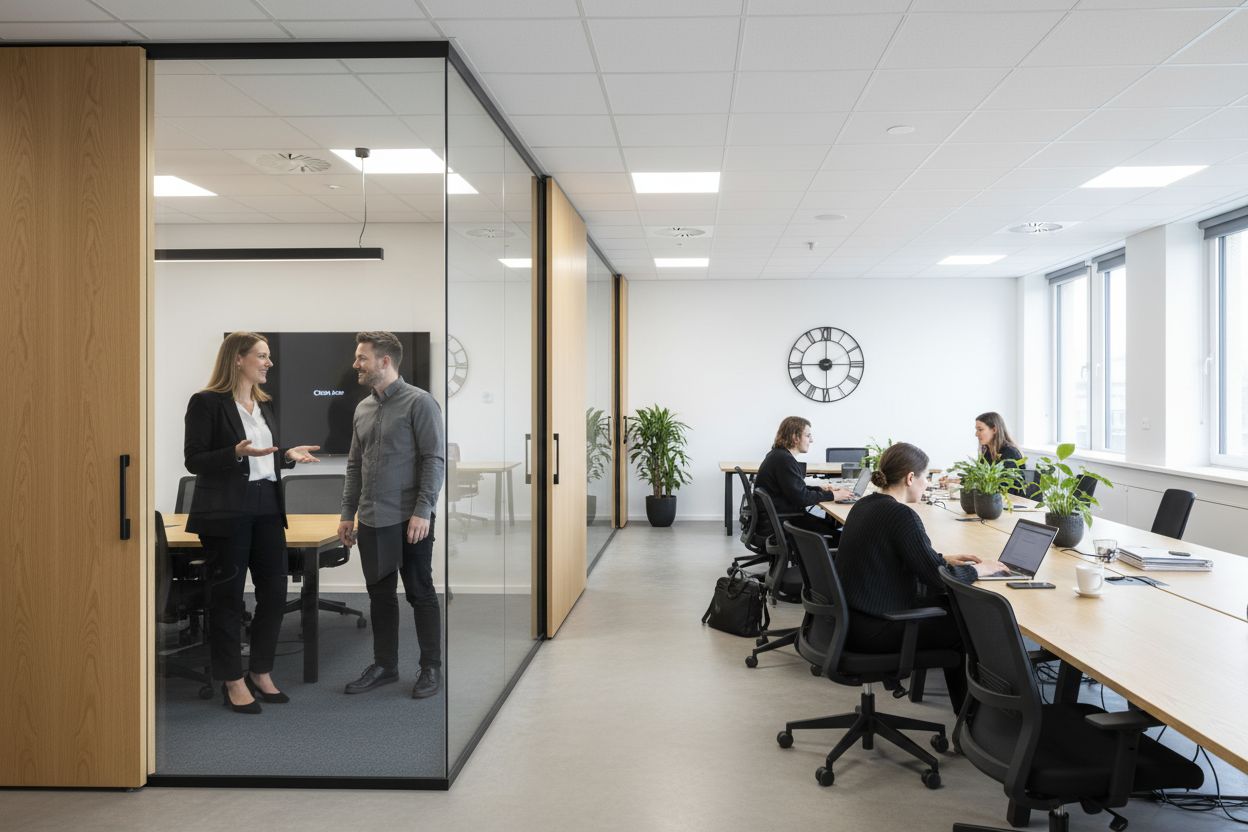
Modern open-plan spaces present different challenges, requiring division that maintains visual flow whilst providing functional separation. Key applications include:
- Creating home office zones within living areas
- Separating kitchen activities from entertainment spaces
- Defining children's play areas within family rooms
- Establishing quiet zones for reading or relaxation
Quick Reference: Benefits of Strategic Room Division
| Advantage | Impact |
|---|---|
| Enhanced Privacy | Creates personal retreat spaces whilst maintaining household connectivity |
| Improved Acoustics | Reduces noise transfer between different activity zones |
| Flexible Usage | Enables spaces to serve multiple functions throughout the day |
| Energy Efficiency | Allows targeted heating and cooling of specific areas |
| Aesthetic Enhancement | Creates visual interest and architectural definition |
Transform Your Space with Custom Door Solutions
Understanding the principles of room division is just the beginning. The real transformation comes from implementing solutions that perfectly match your specific requirements, architectural context, and personal style preferences.
At Manufaktur X, we specialise in creating bespoke door solutions that enhance British homes through thoughtful design and precise craftsmanship. Our 3D configurator allows you to visualise exactly how different door styles, materials, and configurations will look in your space, with instant pricing and detailed specifications.
Whether you're renovating a period property or updating a contemporary home, custom-designed doors offer the perfect balance of functionality and style. Made in the EU using sustainable materials and traditional craftsmanship techniques, our solutions are delivered to the UK with all customs and duties handled, typically within 5-6 weeks of order confirmation.
Ready to explore how strategic room division could transform your home? Visit our online configurator to design your perfect door solution, or upload a sketch for a personalised quotation. Discover how the right doors can revolutionise your living space whilst adding lasting value to your property.
Frequently Asked Questions
How do doors affect room acoustics and noise control?
Doors play a crucial role in acoustic management by creating physical barriers that reduce sound transmission between spaces. Solid timber doors offer superior sound dampening compared to hollow alternatives, whilst proper sealing and heavy-duty hinges further enhance acoustic performance.
What are the advantages of glass doors for room division?
Glass doors provide spatial separation whilst preserving natural light flow throughout your home. They're particularly valuable in British properties where maximising daylight is essential, offering privacy when needed whilst maintaining visual connectivity between spaces.
How can flexible door solutions optimise space usage?
Sliding doors and moveable partitions allow rapid reconfiguration of living spaces, enabling rooms to serve multiple functions. This flexibility is particularly valuable in smaller British homes where every square metre must work efficiently.
What role do doors play in creating private retreat areas?
Doors are fundamental to establishing personal sanctuary spaces within busy households. They provide both physical and psychological boundaries, offering the ability to withdraw from family activities when quiet time or focused work is required.
About the Author

Alexander Stelzner
Founder & CEO, Manufaktur X
Alexander Stelzner is an expert in custom-made steel-glass constructions and solid wood furniture. With years of experience in design and manufacturing, he leads Manufaktur X – where every piece is individually crafted to order in the EU.