The Hidden Psychology of Emotional Spaces
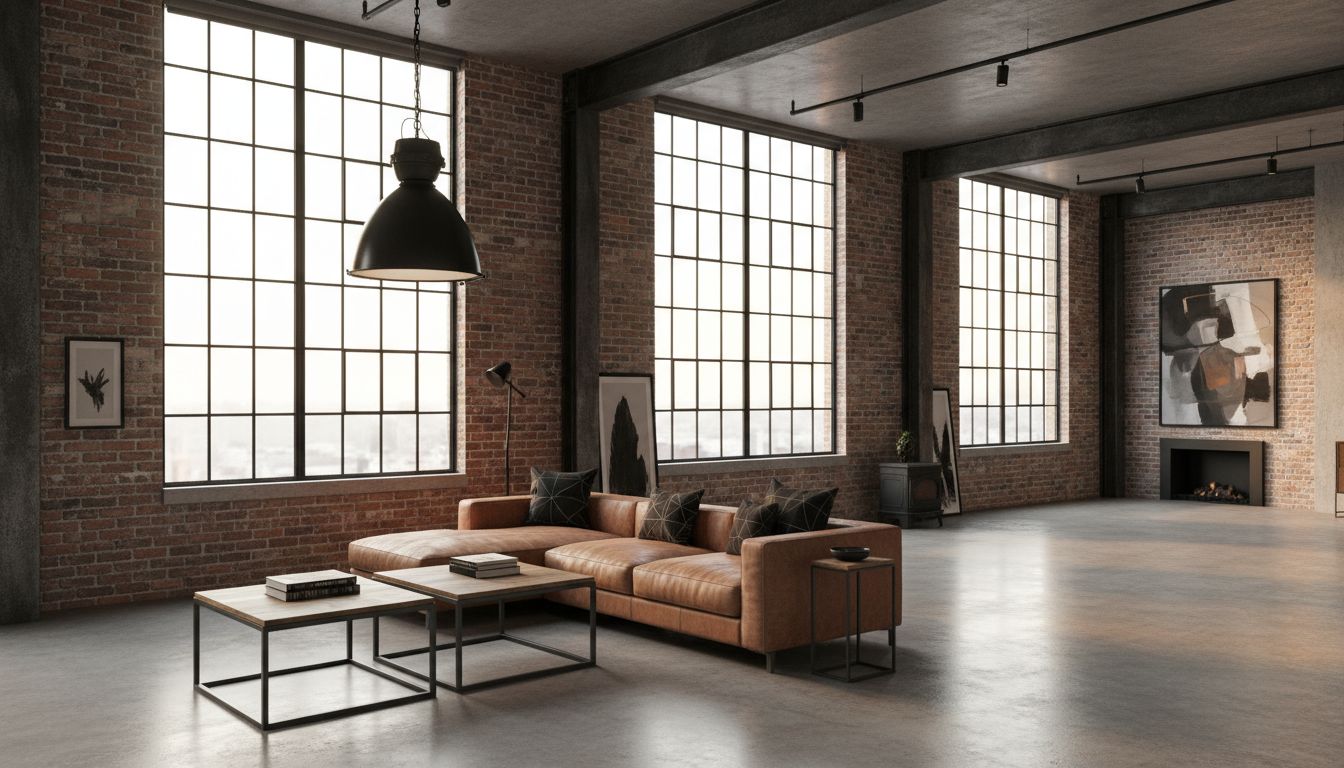
Walk into a Georgian townhouse in Bath, and you'll likely feel an immediate sense of grandeur. Step into a converted warehouse flat in Shoreditch, and the soaring ceilings might inspire creativity. This isn't coincidence—it's the profound science of how interior design triggers emotions.
British homes, from Victorian terraces to modern new builds, each possess unique emotional signatures. Understanding these invisible forces allows you to craft spaces that don't just look beautiful, but genuinely transform how you feel every day.
Material Psychology: Why Textures Shape Feelings
Our emotional response to materials runs deeper than aesthetic preference. Oak beams in a Cotswolds cottage don't just look rustic—they trigger evolutionary responses to natural environments that reduce stress hormones by up to 60%.
Consider the difference between touching cold steel and warm walnut. Metal surfaces create psychological distance, perfect for modern minimalist kitchens where you want efficiency and clarity. Natural wood, conversely, generates intimacy and warmth—ideal for living spaces where connection matters.
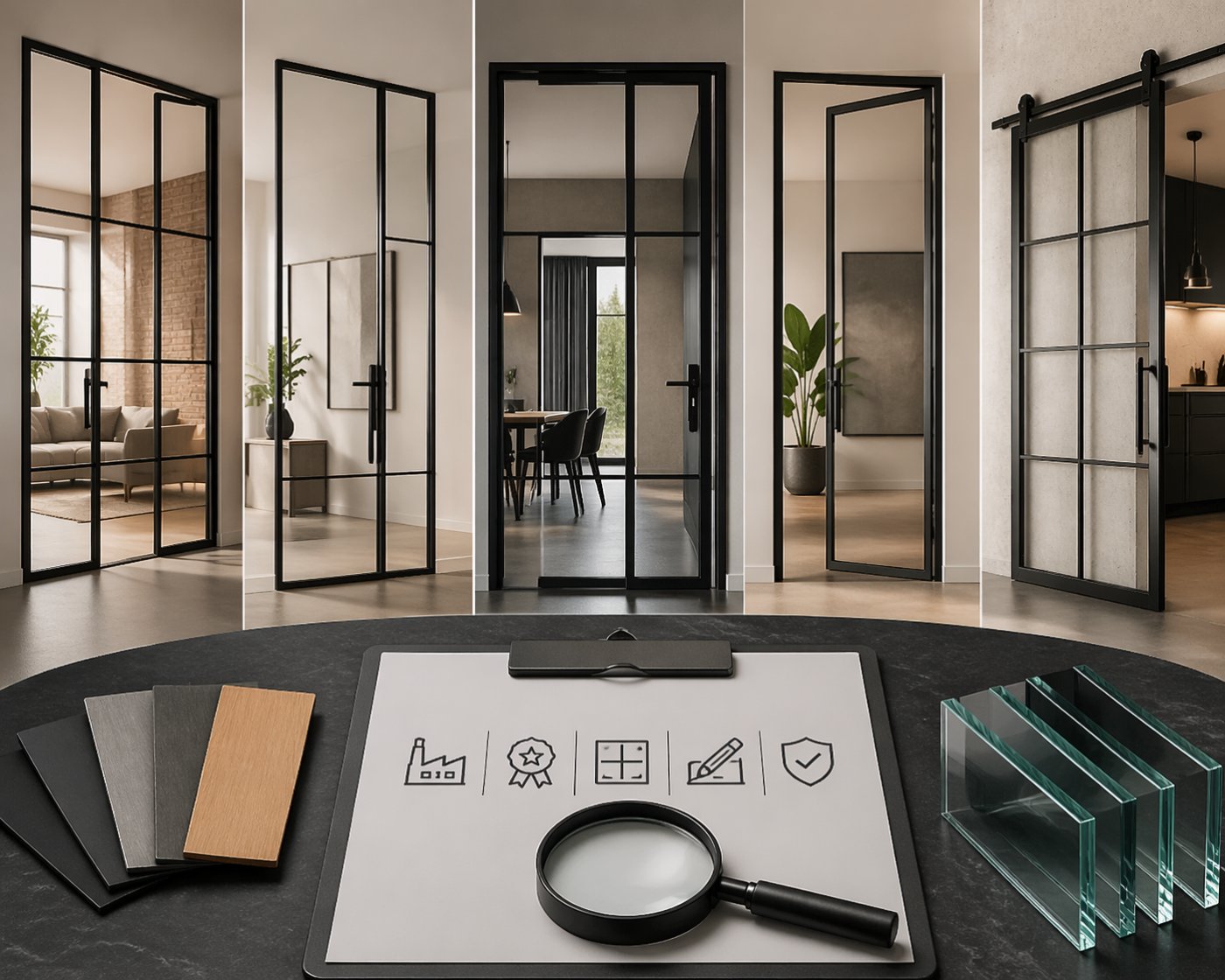
Glass introduces transparency and openness, particularly powerful in Britain's often compact homes where maximising perceived space is crucial. When used in loft doors, glass maintains visual flow whilst defining distinct zones.
The Neuroscience of First Impressions
Research reveals that we form emotional judgements about spaces within 100 milliseconds—faster than conscious thought. This instant reaction stems from primitive survival instincts: clear sightlines suggest safety, whilst enclosed nooks promise security.
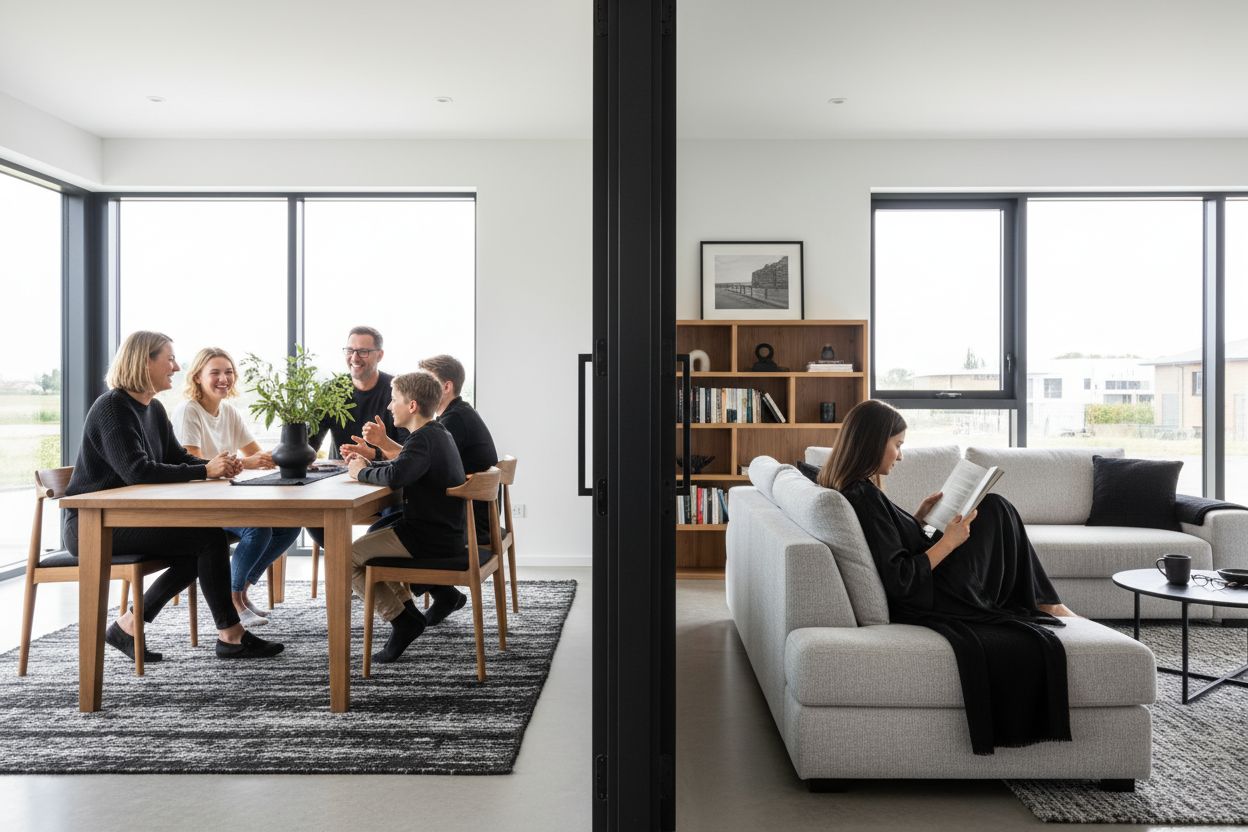
Modern British interiors often struggle with this balance. Open-plan living creates that coveted sense of space, but can leave inhabitants feeling exposed and restless. The solution lies in thoughtful spatial division that maintains openness whilst providing psychological anchors.
Colour Psychology: Beyond Trends and Personal Taste
Whilst Farrow & Ball's 'Elephant's Breath' might dominate Instagram feeds, colour psychology operates on a more fundamental level. Blue genuinely lowers blood pressure—making it perfect for bedrooms. Warm oranges and terracotta increase heart rate slightly, energising kitchen and dining areas.
Green, abundant in Britain's landscapes, reduces stress and improves concentration. It's no wonder that bringing outdoor colours inside through paint, plants, or natural materials creates such powerful emotional responses in our climate-challenged environment.
Lighting: Britain's Secret Weapon
Given our famously variable weather, artificial lighting becomes crucial for emotional wellbeing. Harsh overhead lighting can make even the most beautiful Georgian drawing room feel clinical. Layered lighting—combining ambient, task, and accent sources—creates emotional depth.
Warm, dimmable lighting during winter months combats seasonal affective responses, whilst bright, cool light during grey days maintains energy levels. The key is flexibility: spaces that can adapt to both your daily rhythms and Britain's mercurial skies.
Flexible Spaces for British Living
British homes demand versatility. A Victorian terrace's front room might serve as office by day, entertaining space by evening. This emotional flexibility requires smart spatial solutions that can transform mood and function seamlessly.
Room dividers excel in this context, particularly when crafted from materials that complement your home's character. Steel and glass combinations suit industrial conversions, whilst oak frames harmonise with period properties.
ManufakturX understands this British need for adaptability. Their configurable approach means each piece can be tailored to your specific spatial and emotional requirements, delivered across the UK with all customs duties handled.
The Art of Proportional Harmony
British homes span centuries of architectural evolution, each era with distinct proportional rules. Georgian rooms follow classical ratios that feel inherently balanced. Victorian spaces embrace vertical drama. Modern extensions often favour horizontal emphasis.
When these proportions are disrupted—a massive modern sofa dwarfing a Georgian parlour, or tiny furniture lost in a converted church—emotional discord follows. The space feels 'wrong' even when we can't articulate why.
Cultural Context: British Emotional Design Preferences
Our response to spaces carries cultural programming. British design traditionally values understated elegance over dramatic gestures. We appreciate spaces that reveal their qualities gradually, rather than overwhelming immediately.
This cultural preference for restraint doesn't mean boring minimalism. Instead, it suggests layered complexity: a colour palette that appears simple but reveals subtle variations, furniture that combines comfort with refined proportions, lighting that creates atmosphere without theatricality.
Personal Narratives in Space
Empty show homes feel emotionally flat because they lack personal narrative. Family photographs, inherited furniture, travel souvenirs—these objects transform generic spaces into emotional landscapes that reflect individual stories.
The challenge lies in curating these personal elements within a cohesive design framework. Too little personality creates hotel-like coldness. Too much creates chaos that overwhelms rather than comforts.
Acoustic and Olfactory Dimensions
British homes, particularly period properties with high ceilings and hard surfaces, can suffer from poor acoustics that create stress and inhibit conversation. Soft furnishings, rugs, and textured wall treatments absorb sound, creating more intimate emotional environments.
Scent directly accesses the brain's emotion centre. Natural materials—oak, wool, linen—contribute subtle aromas that enhance wellbeing. Even the smell of rain through an open window connects us to our landscape in emotionally powerful ways.
Biophilic Design in Urban Britain
As more Britons live in dense urban environments, our hunger for natural connection intensifies. Biophilic design principles—incorporating natural light, organic shapes, living plants, and natural materials—can reduce stress and improve cognitive function even in city centre flats.
This doesn't require countryside relocation. Simple interventions—a living wall in a bathroom, oak dining tables that showcase wood grain, or oversized windows that frame urban greenery—can satisfy our evolutionary need for nature connection.
Practical Transformation Strategies
Understanding emotional design theory is one thing; implementing it practically is another. Start with lighting: replace harsh overhead bulbs with warm, dimmable alternatives. This single change can transform any room's emotional quality within hours.
Next, consider texture diversity. British homes often rely heavily on painted walls and fitted carpets, creating monotonous tactile experiences. Introduce varied textures through throws, cushions, natural wood surfaces, or textured wallpapers.
For larger transformations, focus on spatial flow. Custom loft doors can redefine room relationships without major construction, creating both connection and separation as needed. Configure yours through our online design tool to see real-time pricing and visualisation.
Budget-Conscious Emotional Design
Emotional transformation doesn't require complete renovation. Sometimes the most powerful changes cost least: rearranging furniture to improve natural light flow, introducing plants to add life and colour, or simply decluttering to create breathing space.
When investing in larger pieces, choose items that offer maximum emotional impact. A beautifully crafted coffee table becomes a daily touchpoint that influences mood every time you use it. Quality materials—solid wood, powder-coated steel—age beautifully, developing character rather than deteriorating.
"The best rooms don't just accommodate our activities—they elevate our spirits, inspire our creativity, and provide sanctuary from life's demands."
Creating emotionally resonant interiors requires understanding both universal psychological principles and personal preferences. By considering how colour, light, materials, and spatial relationships affect wellbeing, you can craft homes that truly nurture rather than merely shelter.
Ready to begin your own emotional design journey? Upload a sketch of your space and discover how custom furniture pieces can transform both function and feeling in your home.