
22 March 2026 · ManufakturX Team
Bespoke Office Furniture: Planning, Materials & Benefits
Why British Businesses Are Embracing Custom Office Solutions
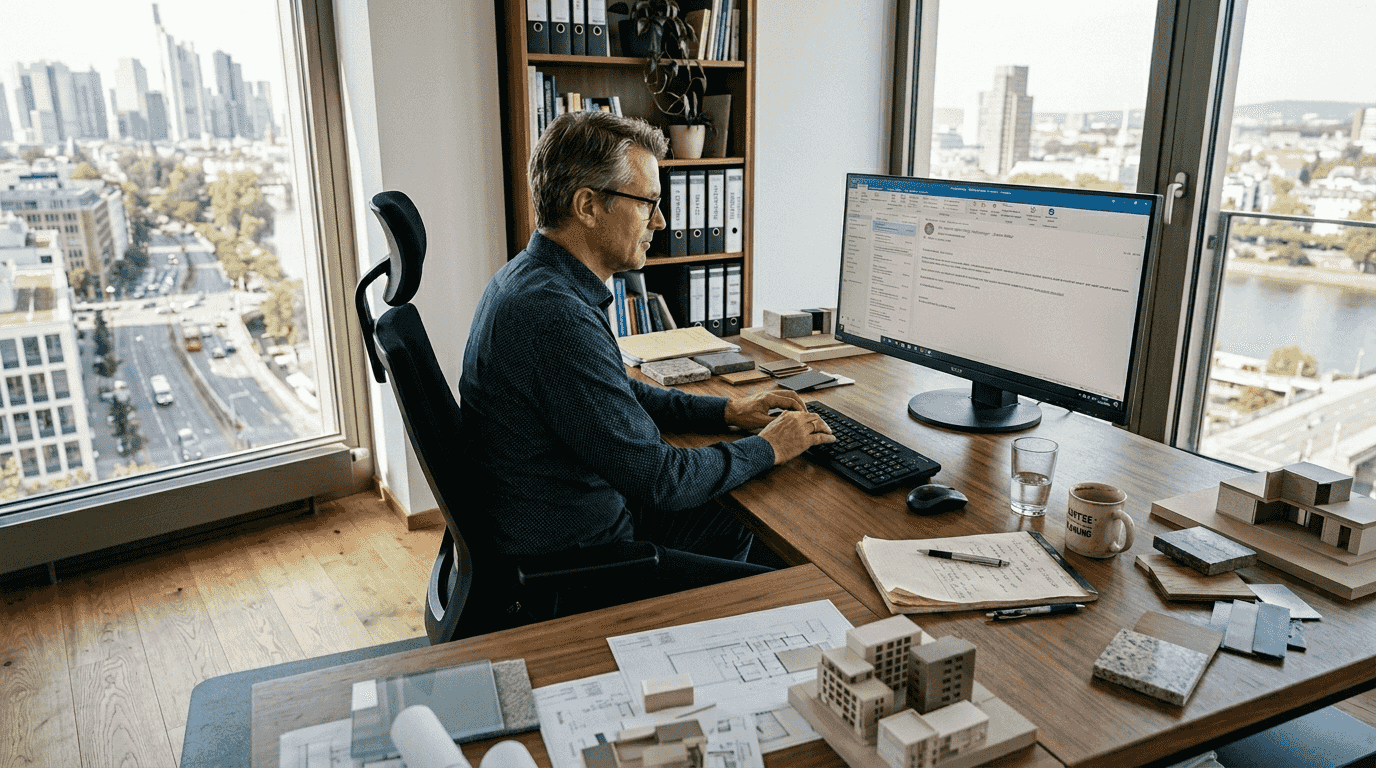
Traditional office environments often rely on off-the-shelf furniture that fails to address the unique challenges of modern workplaces. Yet in converted Victorian properties, trendy Shoreditch lofts, or purpose-built commercial spaces across the UK, businesses are discovering that bespoke furniture solutions can transform both productivity and employee wellbeing. Custom-made pieces optimise every square metre whilst creating environments that reflect company culture and support diverse working styles.
The shift towards flexible working has highlighted the limitations of standard furniture. Hot-desking, collaborative zones, and quiet spaces for focused work require different solutions than the traditional desk-and-chair setup. Bespoke office furniture addresses these evolving needs whilst maximising the potential of uniquely British commercial spaces, from period conversions with unusual proportions to modern open-plan offices with specific branding requirements.
Materials That Work: Durability Meets British Style
The foundation of exceptional bespoke furniture lies in material selection. British businesses increasingly prioritise sustainability alongside functionality, driving demand for solid hardwoods like oak, ash, and walnut that age beautifully and withstand decades of intensive use. These materials complement both contemporary industrial aesthetics and traditional period features common in UK commercial properties.
Steel components receive powder coating treatment rather than traditional paint finishes. This process creates scratch-resistant surfaces with even colour distribution whilst remaining environmentally friendly - particularly important for businesses pursuing green credentials. The durability means reduced replacement cycles, supporting both budget considerations and sustainability goals.
Safety glass applications, from loft doors creating flexible meeting spaces to protective screens for reception areas, combine transparency with robustness. This material choice supports the open, collaborative culture many British companies cultivate whilst maintaining practical boundaries between different work zones.
"Quality materials reduce replacement requirements by over 50% across a 15-year period. This dramatically lowers both costs and environmental impact for growing businesses."
Ergonomic Excellence: Supporting British Workplace Wellbeing
The Health and Safety Executive reports that musculoskeletal disorders cost British businesses millions annually in lost productivity. Ergonomic office furniture represents a strategic investment rather than an optional upgrade. Custom pieces allow precise adjustment to team requirements, supporting the diverse workforce that characterises modern British businesses.
Bespoke solutions address individual needs that standard furniture cannot accommodate. Reception desks that reflect corporate identity whilst providing comfortable working positions, conference tables that fit perfectly into irregularly-shaped meeting rooms, and storage solutions that utilise awkward corners or high ceilings common in converted buildings.
Key ergonomic considerations include:
- Work surfaces between 68-76cm height for optimal arm positioning
- Minimum 60cm leg clearance beneath desk areas
- Monitor placement at eye level, approximately 50-70cm distance
- Storage within easy reach to prevent repetitive strain
The investment in properly fitted furniture pays dividends through reduced sick leave, improved concentration, and enhanced employee retention - particularly crucial in competitive talent markets across London, Manchester, Edinburgh, and other major business centres.
Space Optimisation in Challenging British Properties
British commercial properties often present unique spatial challenges. Period buildings with irregular rooms, converted warehouses with unusual proportions, or modern spaces with strict planning constraints require furniture solutions that standard manufacturers cannot provide. Room dividers and custom storage systems transform these challenges into competitive advantages.
Bespoke furniture typically improves space utilisation by 20% compared to off-the-shelf alternatives. This efficiency translates directly to cost savings in expensive UK commercial property markets. Every square metre optimised reduces rental costs whilst supporting business growth within existing premises.
Successful space planning follows a structured approach:
- Comprehensive measurement including ceiling heights, window positions, and existing fixtures
- Staff consultation to understand daily workflows and collaboration patterns
- Zone definition separating focused work areas from collaborative spaces
- Material selection supporting both function and company branding
- Visualisation using 3D planning tools before final commitment
Modern British businesses often require flexible configurations that adapt as teams grow or working patterns evolve. Modular bespoke systems support this adaptability whilst maintaining the quality and aesthetic consistency that reinforces professional image.
Implementation Strategy: From Concept to Completed Office
Successful bespoke furniture projects begin with thorough consultation involving all stakeholders. In British business culture, collaborative decision-making ensures buy-in from management through to end users. Anonymous feedback sessions often reveal practical insights that formal meetings might miss.
The manufacturing timeline for custom pieces typically spans 5-6 weeks from final approval to delivery. British businesses should factor this production period into relocation or refurbishment schedules, particularly when coordinating with other trades or lease arrangements.
Project phases include:
- Detailed space assessment and precise measurements
- Design development using collaborative planning tools
- Material specification balancing durability, aesthetics, and budget
- Production scheduling and quality checkpoints
- Coordinated delivery and professional installation
Manufaktur X's 3D configurator enables real-time visualisation throughout the design process. This technology proves particularly valuable for British businesses working with stakeholders across multiple locations, allowing remote collaboration on design decisions whilst maintaining project momentum.
Long-term Value: Investment Perspective for British Businesses
Initial costs for bespoke furniture exceed standard alternatives, yet total cost of ownership often favours custom solutions. British businesses benefit from reduced replacement cycles, minimal maintenance requirements, and adaptability that supports changing needs without complete refurbishment.
Quality furniture maintains value over time, supporting potential relocation or business disposal scenarios. Well-designed pieces often transfer successfully between different premises, particularly important for growing businesses in dynamic property markets.
The 3D configurator available through our product range provides instant pricing transparency, enabling accurate budget planning without lengthy quotation processes. This efficiency supports the fast-paced decision-making that characterises successful British businesses.
Transform Your Workspace with Bespoke Solutions
British businesses seeking competitive advantage through optimised work environments can explore bespoke furniture solutions that deliver measurable improvements in space utilisation, employee satisfaction, and operational efficiency. The combination of quality materials, ergonomic design, and precise customisation creates working environments that support both immediate needs and long-term growth ambitions.
Frequently Asked Questions About Office Furniture Customisation
What is the typical production timeframe for custom office furniture?
Standard production requires 5-6 weeks from final approval to completion. Delivery across the UK typically adds 3-5 working days, with all customs and duties handled for seamless service.
Which materials offer the best value for intensive office use?
Solid hardwoods like oak, beech, and ash provide exceptional durability for work surfaces and storage. Powder-coated steel offers scratch resistance for frames and structural elements, whilst safety glass supports modern aesthetic requirements.
How should bespoke office furniture be maintained?
Solid wood surfaces benefit from periodic conditioning every 12-18 months. Regular dusting with slightly damp cloths maintains appearance, avoiding harsh chemical cleaners. Metal components require only dry dusting, whilst glass surfaces clean easily with standard glass cleaning products.
About the Author
Alexander Stelzner
Founder & CEO, Manufaktur X
Alexander Stelzner is an expert in custom-made steel-glass constructions and solid wood furniture. With years of experience in design and manufacturing, he leads Manufaktur X – where every piece is individually crafted to order in the EU.