

20 April 2026 · ManufakturX Team
Door Customisation Explained: A Complete Guide to Bespoke Solutions
In today's design landscape, doors serve far more than their traditional role as simple room dividers. Modern British homes, from converted Victorian terraces to contemporary new builds, demand solutions that reflect personal style whilst addressing practical needs. Door customisation has evolved beyond basic sizing adjustments to encompass comprehensive personalisation that marries functionality with aesthetic appeal.
Key Insights
| Benefit | Description |
|---|---|
| Complete personalisation available. | Homeowners can specify materials, colours, and precise dimensions to match their vision. |
| Advanced technology streamlines design. | Real-time 3D configurators provide instant visualisation and immediate pricing feedback. |
| Practical solutions drive value. | Customised doors optimise space usage whilst accommodating accessibility requirements. |
| Design freedom enhances interiors. | Bespoke options support unique interior concepts and complement existing architectural features. |
| Versatile applications across properties. | Custom doors function brilliantly in residential homes, period conversions, and commercial spaces. |
Understanding Modern Door Customisation
Door customisation represents a fundamental shift in how we approach interior design, moving beyond off-the-shelf solutions towards truly personalised elements. This approach acknowledges that every property possesses unique characteristics, whether it's the irregular dimensions common in period properties or the specific aesthetic requirements of contemporary industrial loft conversions.
Core Elements of Custom Door Design
The customisation process encompasses multiple variables that work together to create the perfect door solution. Today's homeowners can control virtually every aspect of their door's appearance and functionality:
- Material selection: Choose from premium solid woods including oak, ash, walnut, and cherry, or opt for robust steel frames
- Finish options: Specify exact colours using RAL codes for powder-coated metal frames, ensuring perfect colour matching
- Dimensional precision: Input your exact desired measurements for a perfect fit
The loft door configurator exemplifies this comprehensive approach, allowing customers to visualise their choices instantly whilst maintaining control over every design decision.
Technology's Role in Door Customisation
Digital innovation has transformed the customisation experience, making complex design decisions accessible and intuitive. Interactive 3D configurators enable real-time experimentation with different materials, colours, and configurations, whilst providing instant pricing updates to help manage budgets effectively.
This technological advancement doesn't just benefit customers—it streamlines the entire manufacturing process. Direct digital feedback ensures accurate specifications reach the production team, reducing errors and enabling the consistent 5-6 week delivery timeframe that customers rely upon.
The Significance of Customisable Door Solutions
Customisable doors address fundamental challenges in modern British housing, where standardised solutions often fall short of meeting specific requirements. Period properties, in particular, benefit enormously from bespoke approaches that accommodate non-standard openings whilst respecting architectural heritage.
Addressing Individual Living Requirements
Every home tells a different story, and customisable doors help narrate that story effectively. In open-plan conversions popular throughout British cities, carefully designed doors can delineate spaces without compromising the overall sense of flow. Similarly, multi-generational households benefit from solutions that provide privacy when needed whilst maintaining family connectivity.
Practical Benefits Beyond Aesthetics
The advantages of door customisation extend well beyond visual appeal, addressing real-world functionality concerns that impact daily life:
- Space optimisation: Custom dimensions maximise usable floor area, particularly crucial in compact urban properties
- Accessibility integration: Wider openings and specific handle configurations support diverse mobility needs
- Acoustic considerations: Material and design choices can enhance privacy between rooms
- Maintenance efficiency: Quality materials and finishes reduce long-term upkeep requirements
These practical considerations become especially important in British homes where space efficiency and long-term value preservation remain priorities.
How Door Customisation Systems Operate
Modern door customisation operates through sophisticated systems that blend digital technology with traditional craftsmanship. This approach ensures that individual customer requirements translate accurately into high-quality, made-in-the-EU products that arrive within the promised timeframe.
Digital Design and Visualisation
The customisation journey begins with advanced 3D visualisation technology that allows customers to experiment with different configurations in real-time. These systems provide immediate feedback on design choices, enabling informed decision-making without the guesswork traditionally associated with bespoke orders.
The key stages include:
- Initial dimension input based on your exact requirements
- Material selection from available options including solid woods and powder-coated steel
- Colour specification and finish selection
- Real-time pricing calculations and delivery scheduling
From Digital Design to Physical Product
Once the design is finalised, sophisticated manufacturing processes ensure accurate translation from digital specifications to finished product. Quality control measures throughout the 5-6 week production cycle maintain consistency and meet the exacting standards expected by discerning British customers.
The integration of modern manufacturing techniques with traditional craftsmanship ensures that each customised door meets both aesthetic expectations and functional requirements, delivered ready for professional installation.
Essential Customisation Concepts
Successful door customisation requires understanding several fundamental concepts that influence both the design process and final outcome. These elements work together to create solutions that not only look exceptional but perform reliably for years to come.
Material Properties and Applications
Different materials offer distinct advantages depending on the intended application and aesthetic goals. Solid wood options like oak and walnut provide warmth and natural character, whilst steel frames offer contemporary appeal with exceptional durability.
Critical considerations include:
- Structural integrity and load-bearing capacity
- Surface treatments and long-term appearance retention
- Compatibility with existing architectural elements
- Maintenance requirements over time
- Environmental impact and sustainability credentials
Understanding these factors helps ensure that customisation choices align with both immediate requirements and long-term satisfaction.
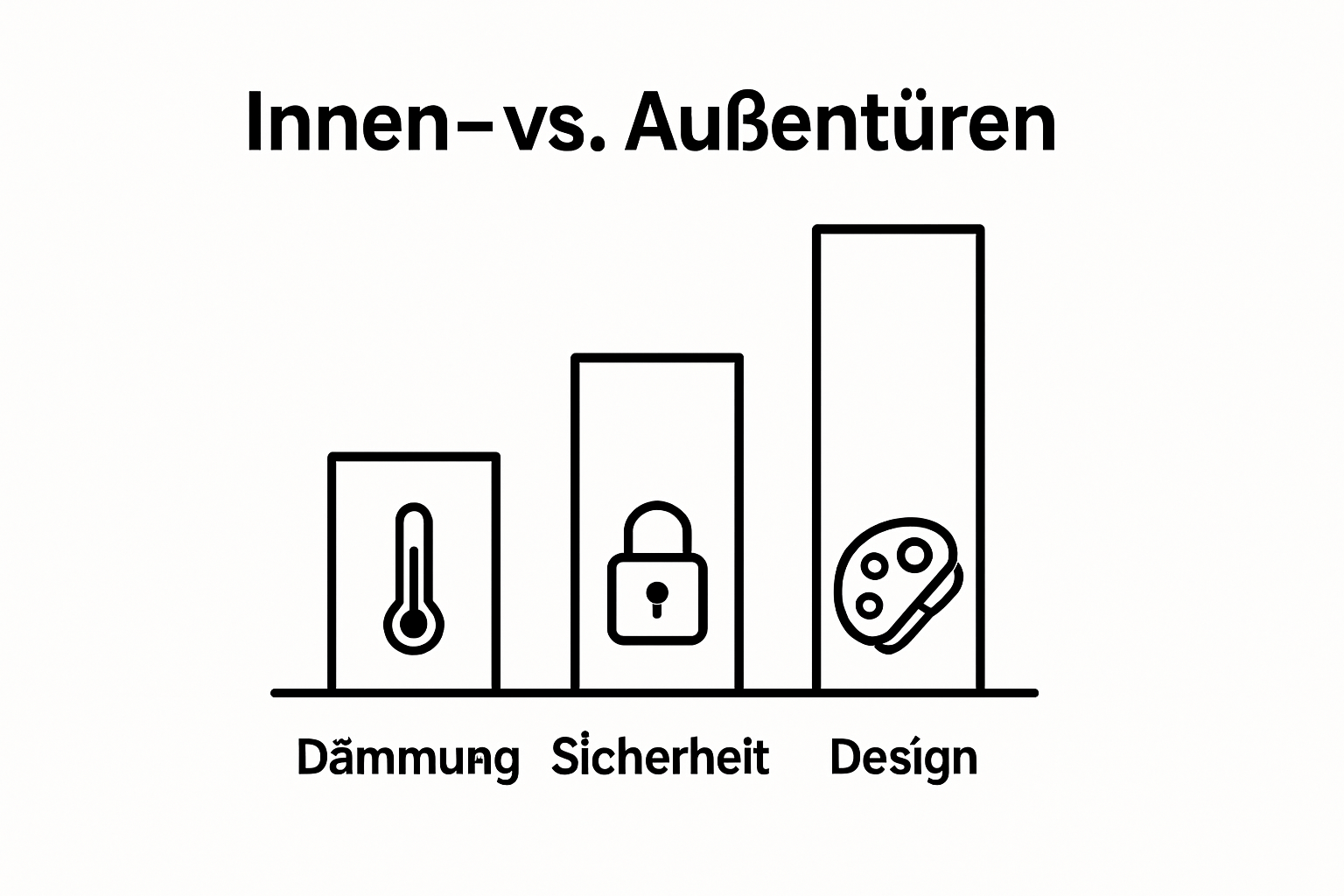
Design Integration Strategies
Successful customisation considers how new doors will interact with existing interior elements. In period properties, this might involve complementing original architectural details, whilst contemporary spaces may benefit from bold contrasts that create focal points.
Real-World Applications of Custom Door Solutions
Custom doors find applications across diverse property types and usage scenarios, demonstrating their versatility and practical value. From residential homes to commercial spaces, bespoke solutions address specific challenges that standard products simply cannot match.
Residential Applications
In domestic settings, custom doors often solve multiple challenges simultaneously. Victorian terrace conversions frequently feature irregular openings that benefit from precisely fitted solutions, whilst modern apartments may require doors that maximise natural light transmission through careful glazing selection.
Common residential applications include:
- Creating defined spaces within open-plan layouts
- Accommodating accessibility requirements for aging in place
- Maximising natural light flow between rooms
- Providing acoustic separation for home offices
Commercial and Professional Environments
Professional spaces present unique requirements that custom solutions address effectively. Modern office design emphasises flexibility and adaptability, with doors playing crucial roles in space reconfiguration and privacy management.
Key commercial applications encompass:
- Noise management: Controlling sound transmission in busy environments
- Branding integration: Incorporating company colours and design elements
- Flexibility support: Enabling space reconfiguration as needs evolve
- Professional appearance: Creating impressive client-facing environments
These applications demonstrate how custom doors contribute to both functional efficiency and professional image enhancement.
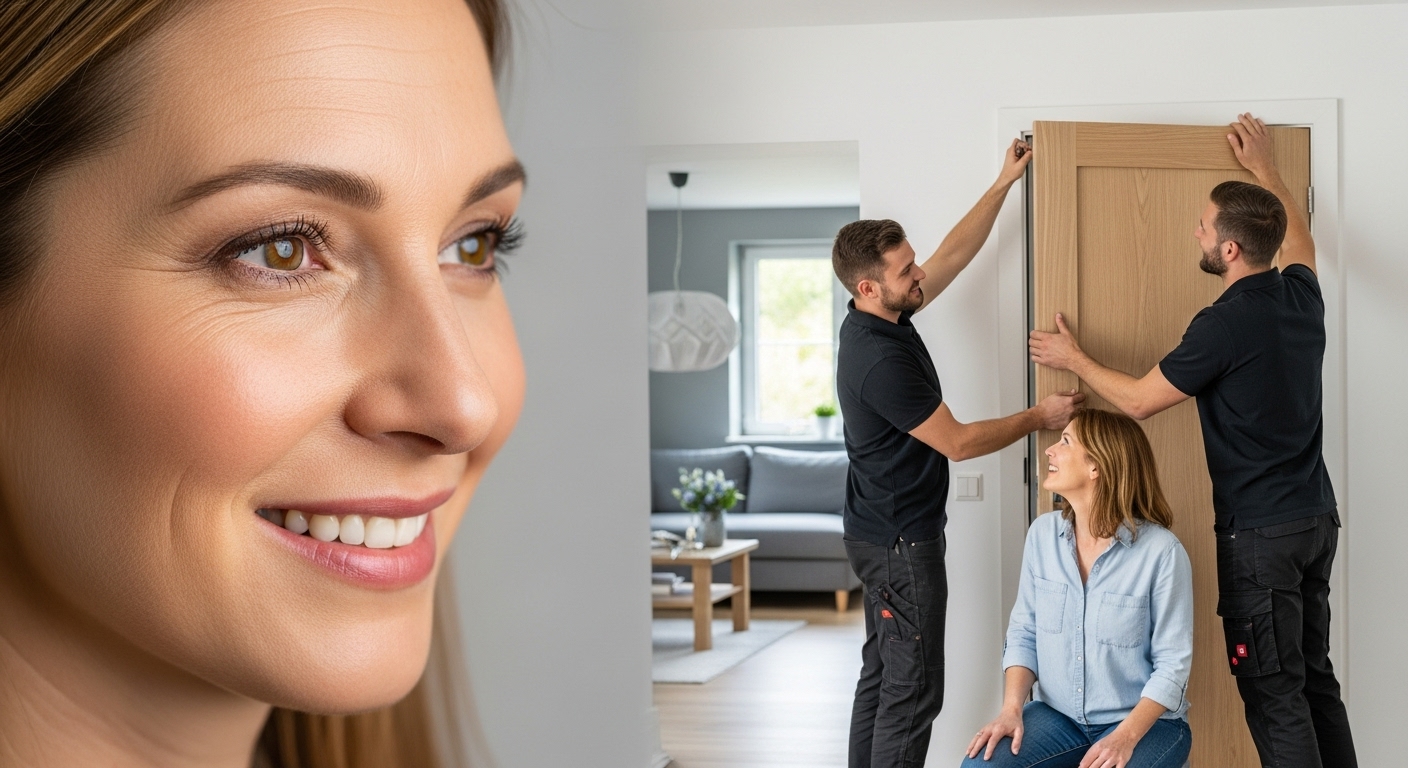
Transform Your Space with Manufaktur X Custom Solutions
Having explored the comprehensive world of door customisation, you now understand how bespoke solutions can transform ordinary spaces into extraordinary environments. Standard doors often compromise on fit, style, or functionality, forcing homeowners to accept less than ideal results. With ManufakturX custom solutions, these limitations become opportunities for creative expression and practical problem-solving.
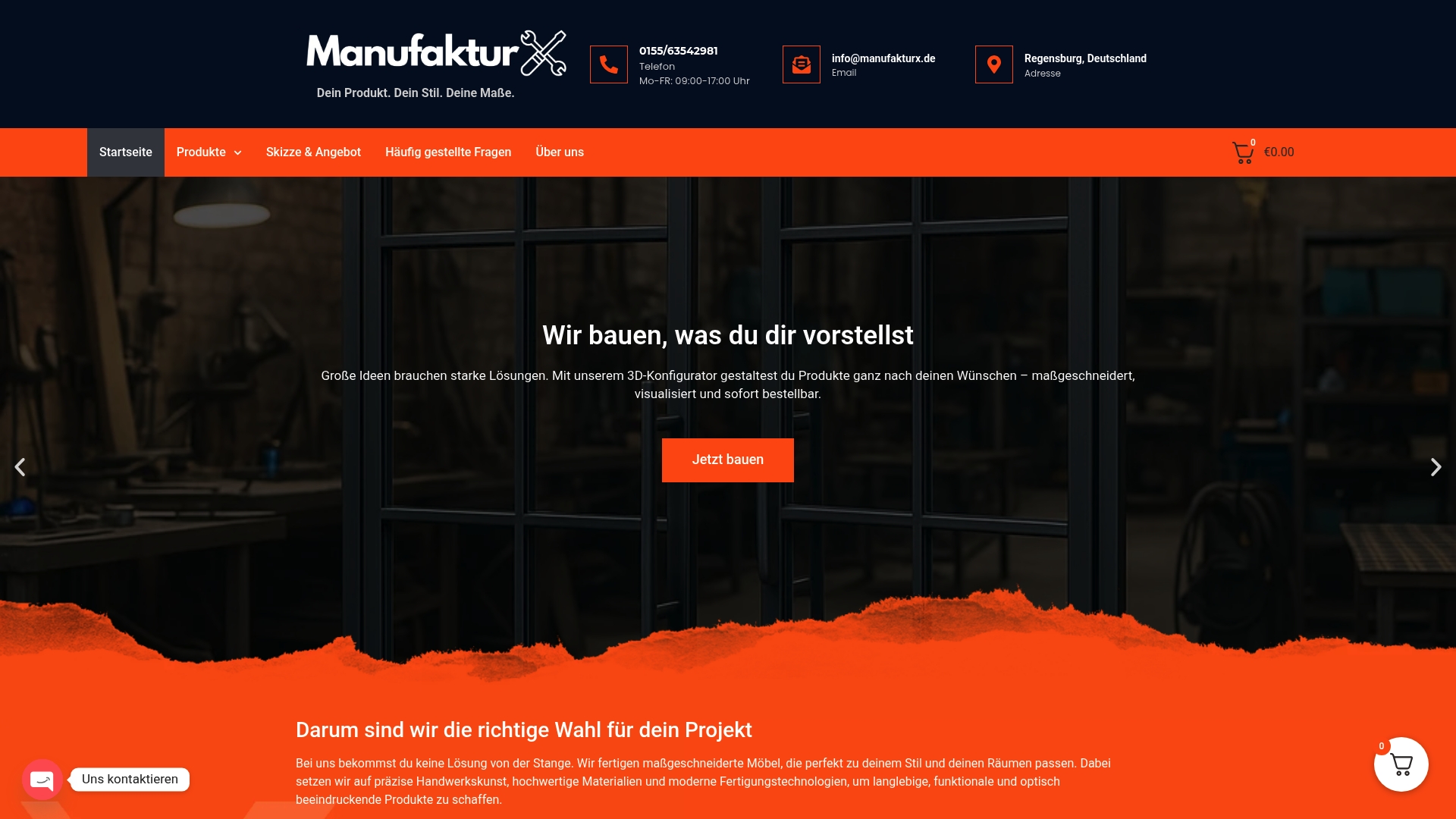
Experience the difference today: Explore our comprehensive product range and discover how our 3D configurator makes customisation simple and intuitive. See how materials, dimensions, and finishes combine to create your perfect solution, with transparent pricing and delivery to anywhere in the UK. Visit our homepage to learn more about our commitment to quality craftsmanship and customer satisfaction. Ready to start your project? Create spaces that truly reflect your personality and meet your specific requirements—handcrafted, personalised, and delivered with pride.
Frequently Asked Questions
What does door customisation involve?
Door customisation allows you to specify every aspect of your door, including materials, colours, dimensions, and finishes, creating a solution perfectly tailored to your space and requirements.
What advantages do custom doors provide?
Custom doors offer numerous benefits including optimal space utilisation, accessibility accommodation, perfect aesthetic integration, and solutions for unique architectural challenges common in British properties.
How does the customisation process work?
The process typically involves using online 3D configurators where you can select materials, specify dimensions, choose finishes, and see real-time visualisations with instant pricing, making design decisions straightforward and informed.
What delivery timeframes can I expect?
Custom doors are manufactured and delivered within 5-6 weeks, with all customs duties and delivery logistics handled for UK customers, ensuring a smooth experience from order to installation.
About the Author
Alexander Stelzner
Founder & CEO, Manufaktur X
Alexander Stelzner is an expert in custom-made steel-glass constructions and solid wood furniture. With years of experience in design and manufacturing, he leads Manufaktur X – where every piece is individually crafted to order in the EU.