
17 September 2025 · ManufakturX Team
Custom Furniture vs Mass-Produced: Transform Your Home with Personality
Why Your Home Deserves Better Than Catalogue Furniture
Picture walking into a friend's flat and recognising every piece of furniture from the same high-street catalogue you browsed last weekend. It's a depressingly common experience across Britain, where identical sofas, tables, and wardrobes populate countless homes from Manchester to Brighton. But there's a growing movement away from this homogenised approach to interior design.
Custom furniture isn't just about having something different – it's about creating spaces that genuinely reflect who you are. Whether you're renovating a Victorian terrace in London or styling a modern apartment in Edinburgh, bespoke pieces offer something mass production simply cannot: authenticity.
The Hidden Costs of Mass-Produced Furniture
That £200 dining table from the furniture warehouse might seem like a bargain, but let's examine the real mathematics of cheap furniture. Most mass-produced pieces last between 5-7 years before showing significant wear or becoming unfashionable. A quality custom dining table, crafted from solid oak or walnut, often serves families for decades.
Consider this calculation: replacing that cheap table three times over 20 years costs more than investing in one expertly crafted piece initially. Plus, you avoid the frustration of wobbly legs, mismatched wood grain, and the nagging feeling that your dining room could belong to anyone.
Beyond Economics: The Emotional Investment
Mass-produced furniture creates no emotional connection. When a drawer handle breaks or a surface scratches, the immediate instinct is disposal rather than repair. Custom furniture, however, develops character over time. Each mark tells a story, each repair adds history.
Creating Character in Period Properties
British homes present unique challenges that mass production ignores entirely. Victorian conversions feature unusual ceiling heights, Georgian flats have distinctive architectural details, and modern developments often include awkward alcoves that standard furniture simply cannot accommodate.
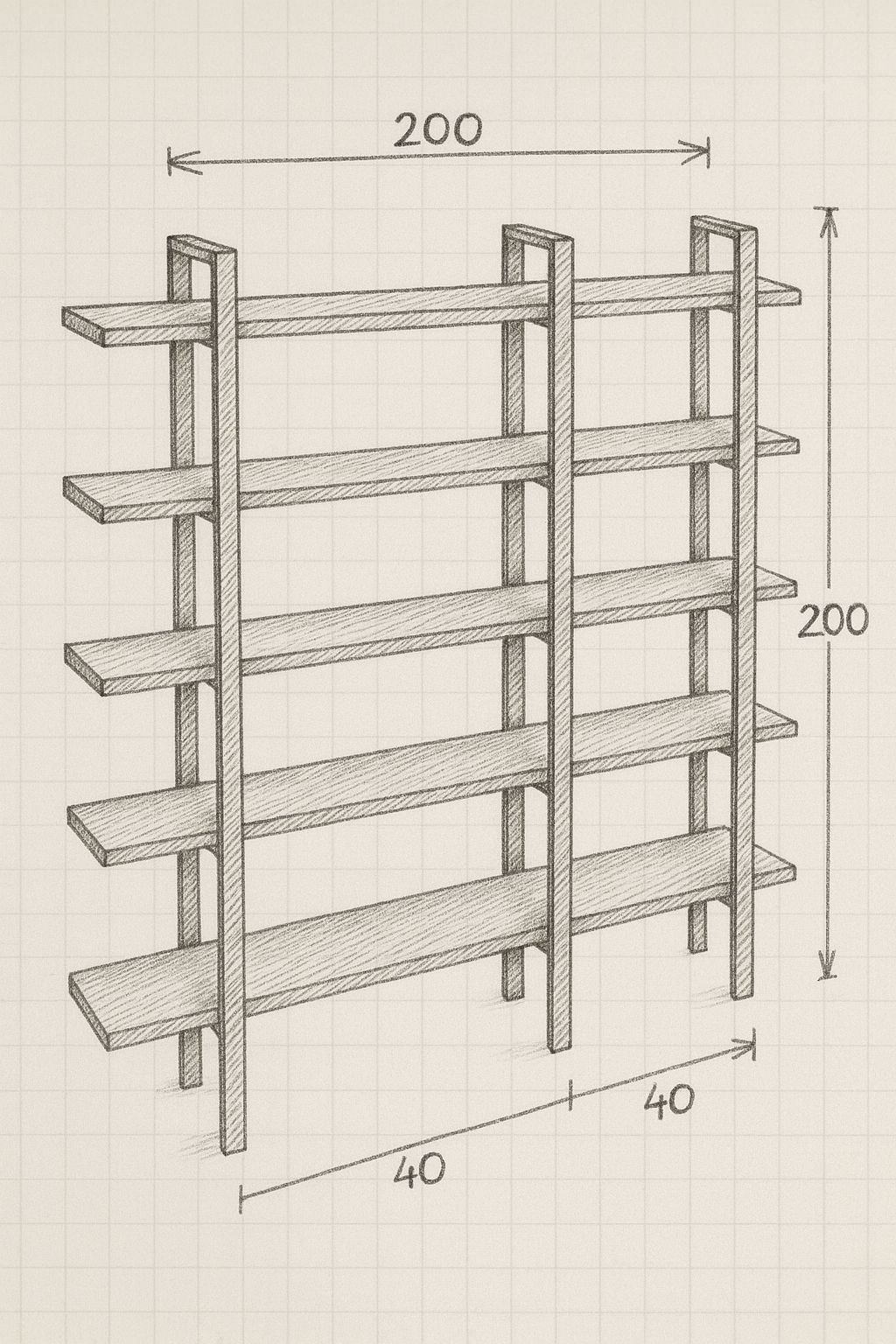
Custom solutions transform these architectural quirks from problems into features. A bespoke shelving unit can turn an awkward corner into a stunning display area. An individually designed loft door can separate spaces whilst maintaining the period character that makes British homes so distinctive.
The Art of Space Maximisation
British properties, particularly in urban areas, demand clever space utilisation. Custom furniture makers understand this challenge intimately. Every centimetre matters when you're working with a compact London flat or a narrow cottage in the Cotswolds.
Standard furniture forces compromise – either it's too large for your space or leaves unusable gaps. Custom pieces fit perfectly, maximising both storage and visual appeal whilst respecting your home's proportions.
Sustainable Living Through Thoughtful Design
Environmental consciousness increasingly influences purchasing decisions across the UK. Custom furniture aligns perfectly with sustainable living principles, though perhaps not in the way you'd initially expect.
The sustainability advantage comes from longevity rather than production methods. A well-crafted piece eliminates the cycle of purchasing, discarding, and replacing that characterises mass-produced furniture. When your dining table is designed to last generations, the environmental impact per year of use becomes minimal.
Supporting Local Craftsmanship
Choosing custom furniture supports skilled craftspeople and maintains traditional techniques that mass production threatens. Across Europe, furniture makers combine time-honoured methods with modern technology, creating pieces that honour both heritage and innovation.
The Psychology of Personalised Spaces
Interior psychologists consistently demonstrate that personalised environments significantly impact mental wellbeing. Spaces that reflect our personality reduce stress levels and increase satisfaction with our living situation.
This effect becomes particularly relevant in an era where many Britons spend increased time at home. Whether working remotely or simply seeking sanctuary from busy urban life, our homes must function as more than mere shelter – they need to nurture and inspire.
Modern Solutions: The Rise of Configurable Design
Today's custom furniture bridges the gap between mass production and traditional bespoke craftsmanship. Advanced configurators allow customers to specify exact dimensions, materials, finishes, and features whilst maintaining reasonable pricing and delivery times.
Take loft doors as an example. These striking room dividers combine functionality with visual impact, but standard sizes rarely suit British doorways perfectly. Modern manufacturers like Manufaktur X offer comprehensive customisation – frame colours, glass types, bar patterns, and precise dimensions – all visualised through intuitive online tools.
Technology Meets Craftsmanship
The ordering process has evolved dramatically. Rather than relying solely on lengthy consultations and rough sketches, customers can now experiment with different configurations, see real-time pricing, and preview their choices before committing.
This technological approach maintains the personal touch whilst eliminating uncertainty. You know exactly what you're ordering, how it will look, and when it will arrive – typically within 5-6 weeks for most custom pieces.
Starting Your Custom Furniture Journey
Transforming your home needn't require a complete overhaul. Strategic additions create maximum impact with minimal investment. Consider starting with a statement piece that addresses a specific functional need whilst adding visual interest.
Identifying Priority Areas
Survey your current space critically. Which areas feel cramped, awkward, or simply uninspiring? Often, these problematic zones offer the greatest potential for improvement through custom solutions.
Common transformation opportunities include:
- Unusual doorways that standard doors cannot accommodate properly
- Dining areas requiring tables that fit specific dimensions
- Storage challenges in period properties with non-standard alcoves
- Open-plan spaces needing flexible room division
Materials Matter: Choosing Quality Components
Custom furniture quality depends heavily on material selection. Solid woods like oak, ash, and walnut offer durability and character that veneer-covered particle board cannot match. These materials age gracefully, developing patina and character over decades of use.
For contemporary designs incorporating metal elements, powder coating provides superior finish quality compared to traditional painting. This process creates scratch-resistant, evenly coloured surfaces that maintain their appearance despite daily use.
Glass Elements: Function and Beauty
Modern custom furniture often incorporates glass components, particularly in room dividers and display pieces. Safety glass ensures durability whilst various finishes – from crystal clear to sophisticated frosted effects – suit different aesthetic preferences.
The key advantage of custom work lies in combining these materials thoughtfully, creating pieces that complement your existing décor whilst introducing new visual elements.
Investment Perspective: Quality Over Quantity
Shifting from quantity-focused to quality-focused purchasing requires a mental adjustment, but the benefits extend far beyond mere furniture acquisition. You're investing in pieces that enhance daily life, support skilled craftsmanship, and reduce environmental impact through longevity.
Custom furniture also offers flexibility that mass production cannot. Need modifications as your lifestyle changes? Quality pieces can often be adapted rather than replaced entirely.
The Future of Home Furnishing
As housing costs continue rising across the UK, maximising existing space becomes increasingly important. Custom furniture solutions help homeowners create more functional, beautiful environments without requiring property upgrades.
The trend toward personalisation shows no signs of slowing. Consumers increasingly value authenticity, sustainability, and individual expression over uniformity and low prices.
Whether you're furnishing your first flat or updating a family home you've occupied for decades, custom furniture offers possibilities that mass production simply cannot match. From a perfectly proportioned dining table to an elegantly designed loft door that transforms how you use your space, these investments pay dividends in daily satisfaction and long-term value.
Ready to explore the possibilities? Browse the full range of customisable options at ManufakturX and discover how bespoke design can transform your home from ordinary to extraordinary.
About the Author

Alexander Stelzner
Founder & CEO, Manufaktur X
Alexander Stelzner is an expert in custom-made steel-glass constructions and solid wood furniture. With years of experience in design and manufacturing, he leads Manufaktur X – where every piece is individually crafted to order in the EU.