Industrial style has become increasingly popular in British homes, from converted Victorian warehouses to modern city apartments. This design philosophy celebrates authenticity, clean lines and the beauty of imperfection. Those seeking to understand this distinctive aesthetic will find comprehensive insights and inspiring design ideas in this complete guide.
Essential Elements at a Glance
| Aspect | Key Features |
|---|---|
| Design Philosophy | Industrial style celebrates raw materials and the aesthetic of imperfection in urban living spaces. |
| Material Selection | Concrete, steel and timber define the look, bringing industrial authenticity to residential interiors. |
| Style Variations | From classic warehouse aesthetics to modern industrial chic, each variation offers distinct design characteristics. |
| Balance Considerations | Achieving harmony between raw industrial elements and comfortable living requires careful planning and attention to detail. |
Understanding Industrial Style: Origins and Core Principles
Industrial design transcends mere decoration—it represents a philosophy that finds beauty in functionality and celebrates honest materials. This aesthetic draws inspiration from 19th and early 20th-century manufacturing spaces, transforming utilitarian elements into sophisticated interior design choices.
The movement gained momentum in Britain's post-industrial cities, where abandoned factories and warehouses found new life as residential spaces. What began as practical necessity—living in converted industrial buildings—evolved into a deliberate design choice that values structural honesty and material authenticity.
Core principles of industrial style include:
- Exposed structural elements as decorative features
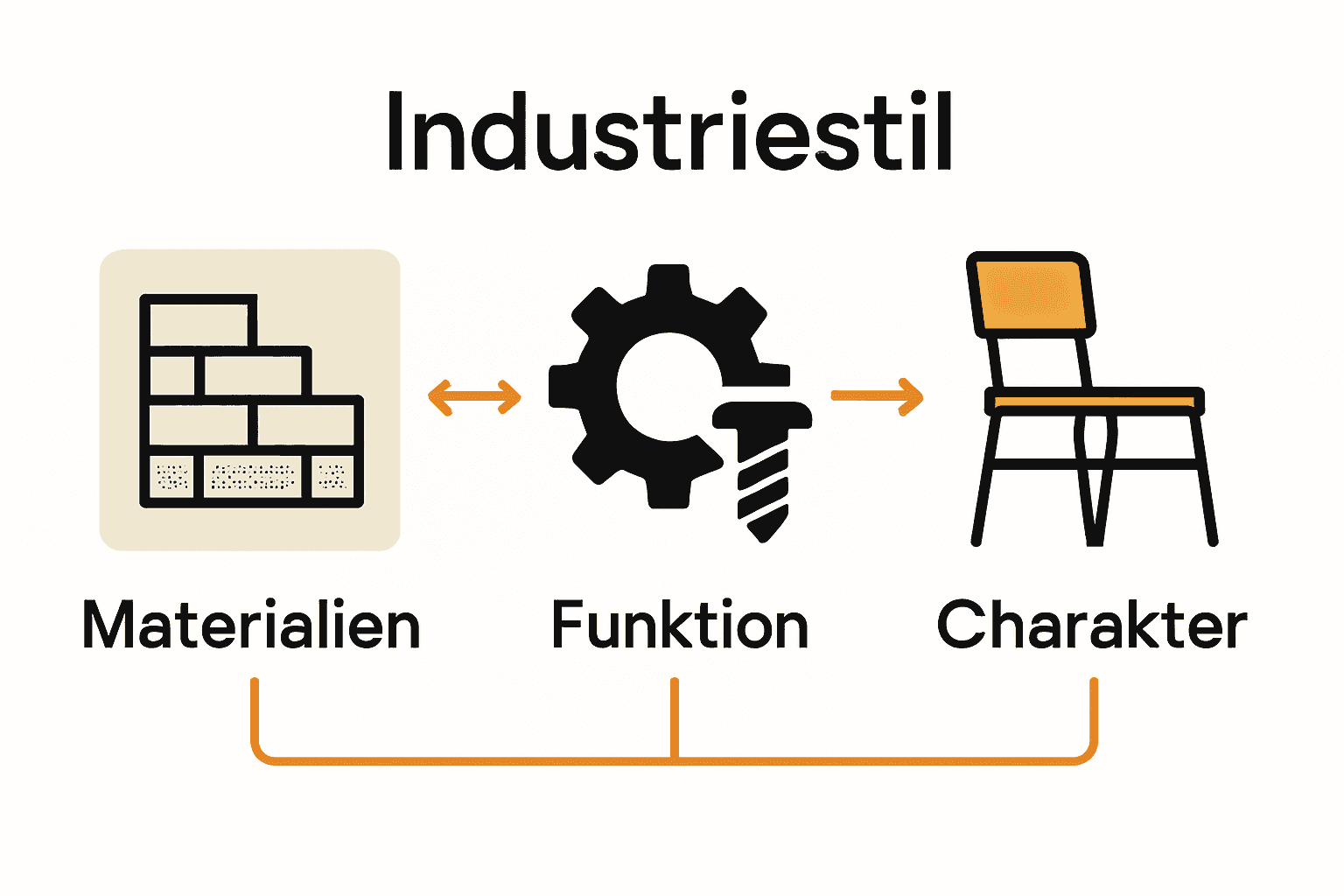
- Raw materials including steel, concrete and reclaimed timber
- Functional design with minimal ornamentation
- Visible construction details like welded joints and bolts
- Neutral colour schemes featuring greys, browns and metallic tones
This approach transforms originally pragmatic industrial elements into aesthetically compelling living spaces. Industrial style represents more than a trend—it's a design language celebrating authenticity, functionality and urban edge in contemporary British homes.
Materials, Colours and Textures in Industrial Design
The foundation of authentic industrial interiors lies in selecting materials that tell stories of manufacturing heritage and urban evolution. Raw concrete, exposed brick, weathered steel and reclaimed timber form the backbone of this distinctive aesthetic, each bringing unique character and visual weight to interior spaces.
Industrial colour palettes embrace restraint and sophistication through carefully chosen neutral tones. The most effective schemes incorporate:
- Charcoal and slate greys
- Deep blacks and crisp whites
- Warm timber browns
- Rust and patina effects
- Weathered copper tones
Texture plays a crucial role in preventing industrial spaces from feeling cold or institutional. Rough concrete surfaces contrast beautifully with smooth steel finishes, while weathered timber introduces organic warmth. The interplay between these textures creates visual interest and tactile appeal.
Successful industrial design embraces imperfection as a feature rather than a flaw. Visible wear patterns, natural rust development and aged patinas contribute to the authentic character that makes industrial style so compelling in contemporary British interiors.
Exploring Different Industrial Style Variations
Industrial design encompasses several distinct approaches, each offering unique interpretations of the core aesthetic principles. Understanding these variations helps homeowners choose the style that best suits their space and lifestyle preferences.
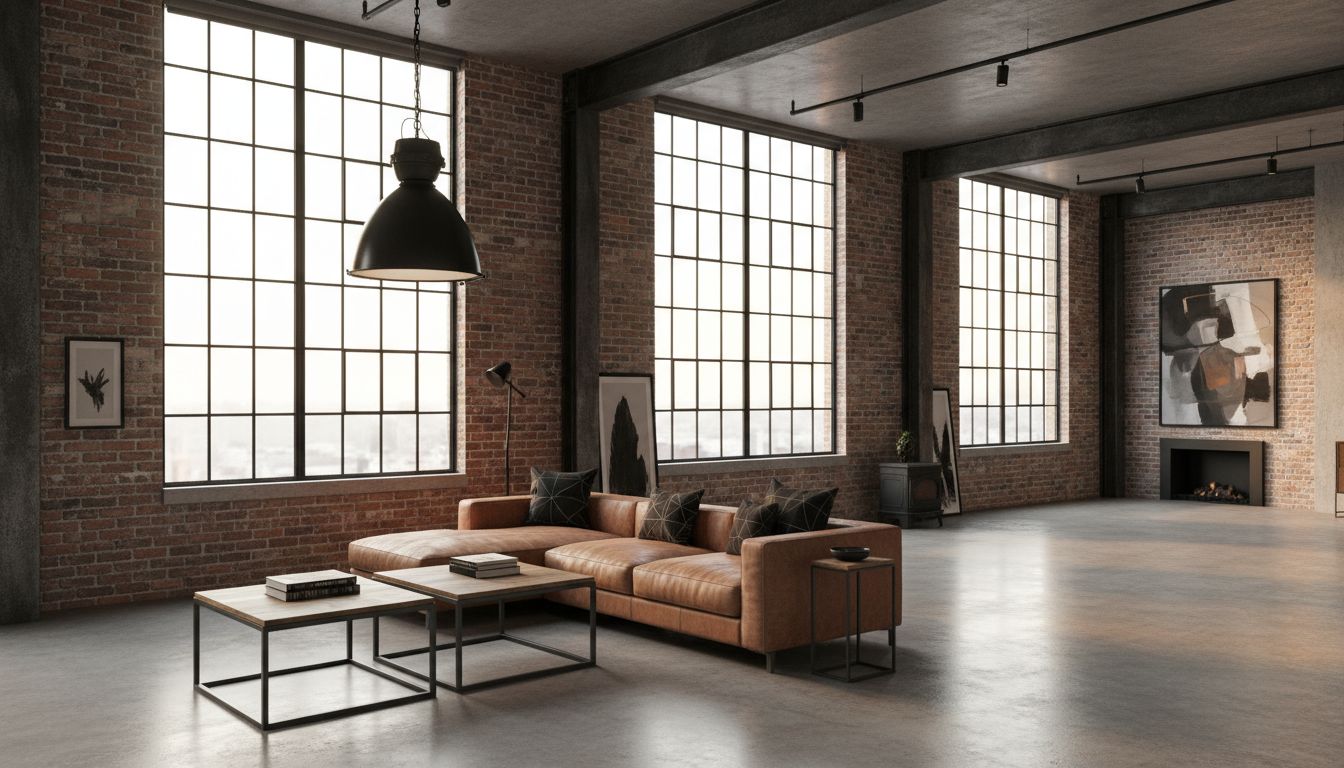
Classic Warehouse Style represents the purest interpretation, featuring maximum exposure of structural elements. This approach showcases original building features like steel beams, brick walls and large metal-framed windows, particularly effective in converted period properties common across British cities.
The main industrial style variations include:
- Classic Warehouse: Maximum raw exposure, original industrial features
- Contemporary Industrial: Clean, refined interpretation with modern conveniences
- Industrial Chic: Softer approach incorporating luxurious textiles and finishes
- Rustic Industrial: Heavy emphasis on reclaimed wood and vintage materials
- Minimal Industrial: Stripped-back aesthetic with carefully curated elements
Contemporary Industrial offers a more refined approach, balancing raw materials with modern comfort. This style works particularly well in new-build properties where industrial elements are deliberately introduced rather than preserved from original construction.
Industrial Chic softens the harder edges through strategic use of textiles, plants and warmer lighting, creating spaces that feel both sophisticated and welcoming.
Furniture Design: Function Meets Industrial Aesthetics
Industrial furniture embodies the principle that beauty emerges from honest construction and purposeful design. Each piece tells a story of craftsmanship and utility, where form follows function without sacrificing visual impact.
Key characteristics of authentic industrial furniture include:
- Robust construction using steel frames and solid timber tops
- Visible joinery and construction details
- Multi-functional designs maximising space efficiency
- Powder-coated steel finishes for durability and consistent colour
The appeal of industrial furniture lies in its uncompromising honesty. A dining table constructed from steel and oak doesn't hide its construction—welded joints and grain patterns become integral design features rather than elements to conceal.
Custom-made pieces offer particular advantages in industrial interiors, allowing precise sizing for specific spaces whilst maintaining authentic construction methods. Whether creating shelving systems from steel angles or benches combining metal and timber, bespoke furniture ensures perfect integration with existing architectural features.
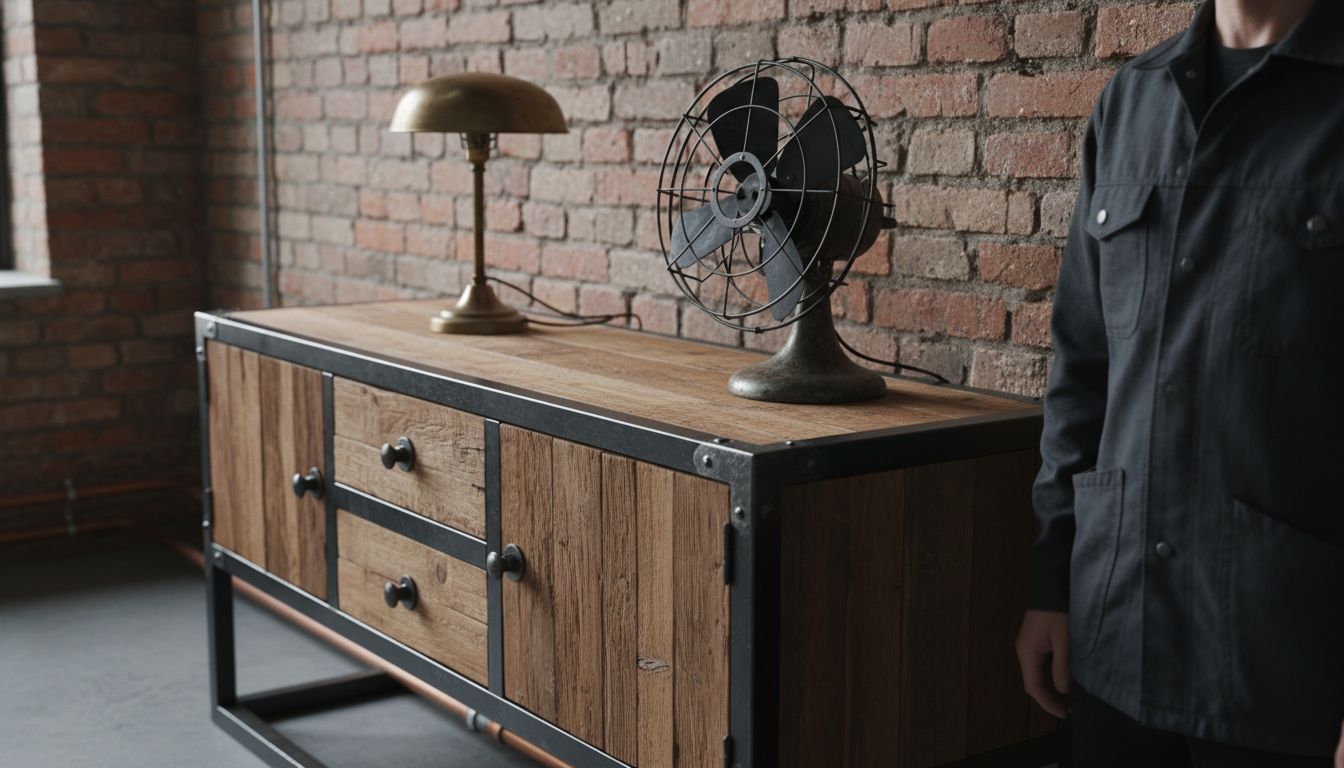
Each piece serves as both functional furniture and sculptural element, contributing to the overall narrative of industrial authenticity whilst meeting the practical demands of contemporary living.
Space Planning and Material Combinations
Successful industrial interiors require thoughtful space planning that honours the style's origins whilst meeting contemporary living needs. Open-plan layouts work particularly well, echoing the expansive floor plates of original factory buildings whilst creating flexible zones for different activities.
Effective material combinations balance hard and soft elements to prevent spaces feeling overly stark. The key lies in layering textures and introducing contrasts that maintain industrial authenticity whilst ensuring comfort and warmth.
Strategic design considerations include:
- Balancing exposed structural elements with comfortable furnishings
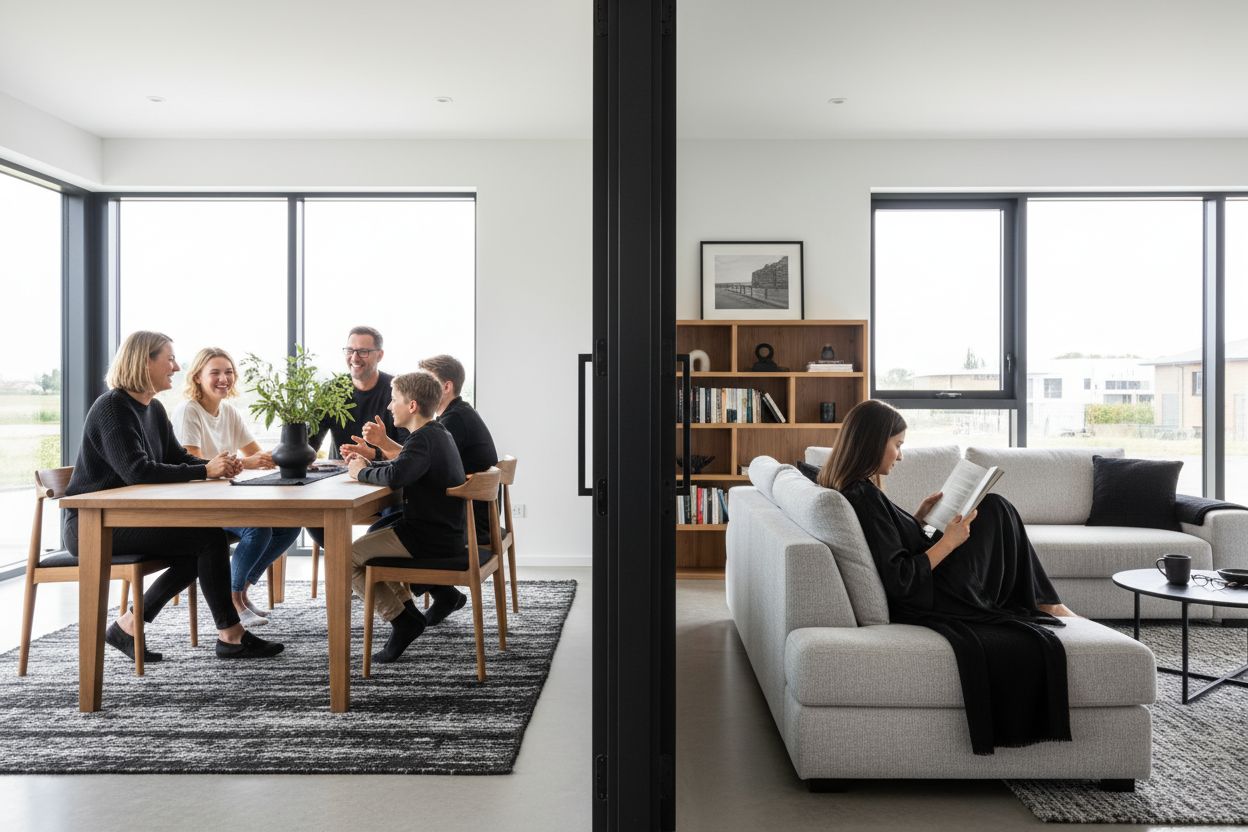
- Using room dividers to define zones without compromising openness
- Incorporating lighting that enhances rather than competes with architectural features
- Selecting window treatments that complement rather than obscure industrial frames
The challenge involves creating cohesive spaces where each element supports the overall industrial narrative. A steel and timber coffee table might anchor a seating area, whilst exposed ductwork above provides visual continuity with structural elements elsewhere in the space.
Successful combinations celebrate the inherent beauty of industrial materials whilst ensuring spaces feel inviting and liveable for daily use.
Common Mistakes and Design Solutions
Creating authentic industrial interiors requires avoiding several common pitfalls that can undermine the style's sophisticated appeal. The primary mistake involves overwhelming spaces with too many raw elements, creating environments that feel cold rather than characterful.
Frequent design errors include:
- Excessive use of metal without warming elements
- Neglecting comfortable seating and soft furnishings
- Ignoring lighting quality and warmth
- Over-emphasising distressed finishes
- Failing to consider practical storage needs
The solution lies in achieving balance rather than pursuing extreme interpretations. Industrial style should feel authentic and lived-in, not like a museum exhibition of manufacturing artefacts.
Successful approaches incorporate warming elements strategically—leather upholstery, woollen throws and natural plants provide textural contrast against steel and concrete surfaces. Quality lighting, including both task and ambient options, ensures spaces feel welcoming throughout the day.
Remember that industrial style celebrates functionality alongside aesthetics. Every element should serve a purpose whilst contributing to the overall visual narrative of honest materials and purposeful design.
Creating Authentic Industrial Spaces with Custom Solutions
Industrial style captivates through its unique marriage of raw aesthetics and functional elegance. The challenge lies in achieving the perfect balance between steel, timber and concrete whilst maintaining the warmth essential for comfortable living. For those seeking bespoke solutions that transform houses into authentic industrial havens, Manufaktur X offers the expertise and craftsmanship necessary to realise these ambitious design visions.
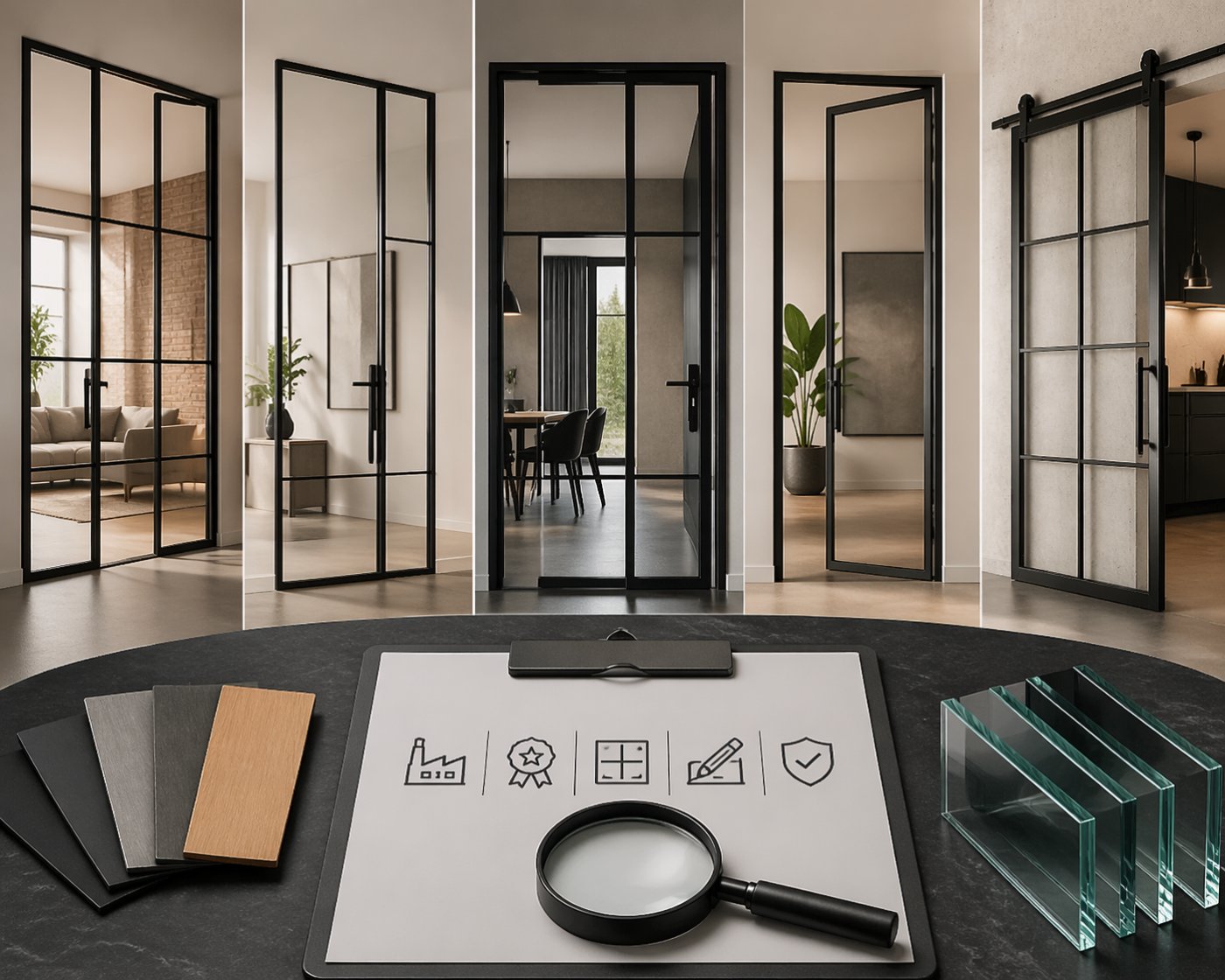
Discover our handcrafted loft doors that perfectly complement industrial interiors. Design tables, shelving and furniture using our interactive 3D configurator, tailoring materials, finishes and dimensions to your exact requirements. With delivery across the UK and all customs duties handled, creating your ideal industrial space has never been more straightforward.
Our bespoke furniture collection enables you to achieve harmonious, authentic environments that reflect your personal style. Start your custom design journey today at manufakturx.co.uk and experience how thoughtfully designed, made-to-measure pieces allow industrial style to reach its full potential in your home.
Frequently Asked Questions
What defines industrial style interiors?
Industrial style features exposed structural elements, raw materials like steel and concrete, minimal ornamentation, visible construction details, and neutral colour schemes emphasising functionality and authenticity.
Which materials work best for industrial design?
Essential materials include concrete, exposed brick, steel, and reclaimed timber, which create the raw, functional aesthetic characteristic of authentic industrial interiors.
What colours suit industrial style spaces?
Industrial palettes favour neutral and muted tones including charcoal grey, black, white, various brown shades, and rust or patina effects that complement raw materials.
How can I implement industrial style at home?
Achieve industrial style through open layouts, robust material combinations, and strategic textile additions that balance industrial edge with comfortable, liveable warmth.