Executive Summary
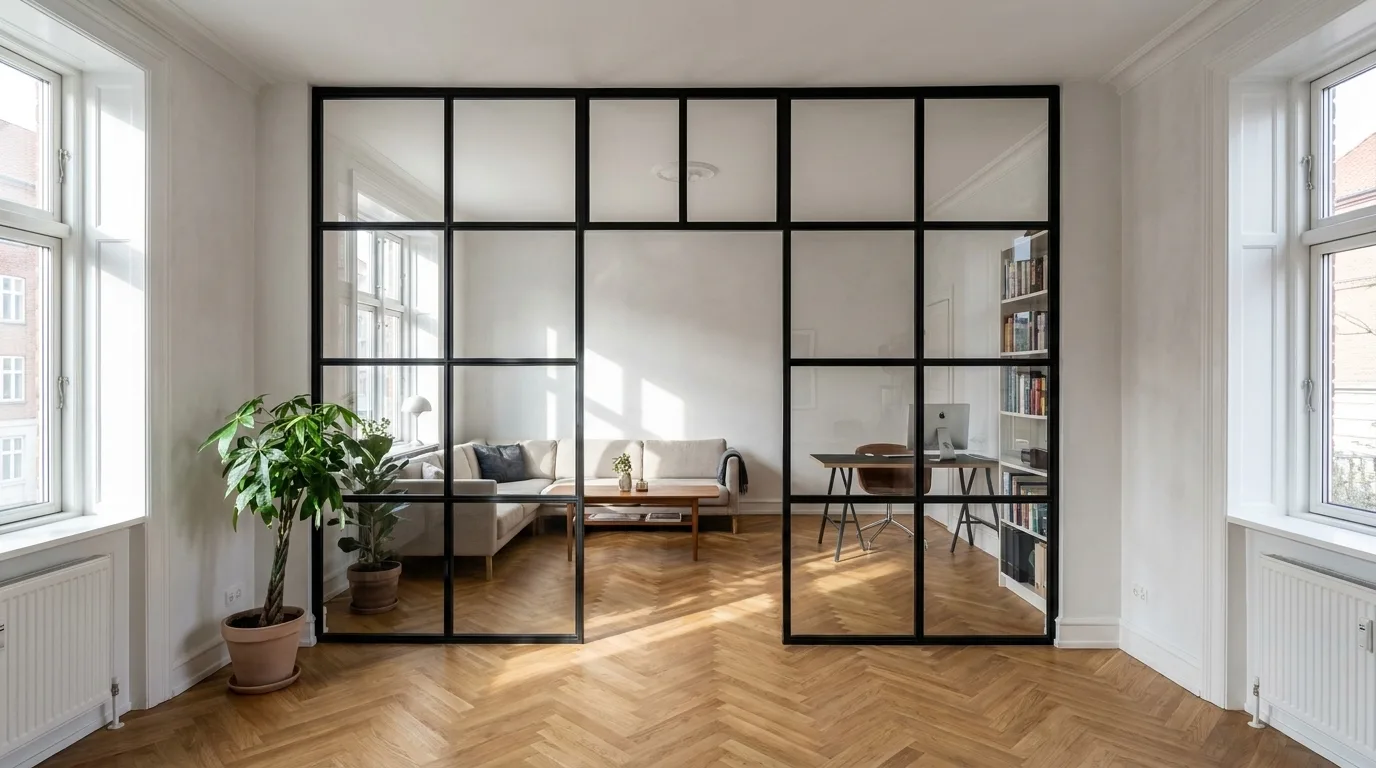
- A total of 1,789 custom large shelf configurations were completed via the Manufaktur X 3D configurator by United Kingdom visitors during May 2026, representing a month-on-month increase of approximately 6.3% compared with April 2026.
- Matte black and raw steel finishes dominated colour and material preferences, together accounting for nearly half of all made-to-measure shelf configurations, reflecting the continued influence of industrial shelving aesthetics in UK interiors.
- Width brackets between 120 cm and 180 cm proved the most popular dimensional range, consistent with the large shelving unit requirements of urban open-plan living spaces across London, Manchester, and Birmingham.
- The average configured price settled at £1,847, nudging upwards by 3.2% from April, driven by a measurable shift towards wider, multi-tier open steel shelving builds and premium solid-oak shelf surfaces.
- London and the South East together generated 43.7% of all UK configurations, though a notable uptick in activity from Leeds, Bristol, and Edinburgh signals broadening geographic demand for custom shelving beyond the capital.
Key Findings
The May 2026 dataset from Manufaktur X's configurator offers one of the clearest monthly snapshots yet of how UK buyers approach bespoke, made-to-measure shelf design. Below are the ten findings that stand out most clearly when the 1,789 records are examined in detail.
1. Matte black remains the dominant finish. Matte black (RAL 9005 or equivalent) was selected in 28.4% of all configurations, up 1.9 percentage points (PP) from April's 26.5%. The colour's dominance is consistent with the broader UK appetite for industrial shelving aesthetics that pair steel frames with contrasting timber or stone shelf surfaces.
2. Raw steel is gaining ground fast. Raw, untreated or lightly waxed steel finished at 17.6% this month, a rise of 2.4 PP from 15.2% in April. Designers and self-builders in particular appear drawn to the material's unfinished, workshop quality - a hallmark of modular shelf and loft-conversion projects.
3. White and off-white finishes are softening. Combined, RAL 9010 (pure white) and RAL 9001 (cream white) accounted for 18.9%, down 1.7 PP from 20.6% in April. This retreat is modest but directionally consistent with a broader pivot away from Scandi-minimalist palettes in UK interior media.
4. Solid oak shelf surfaces lead material choices. Among the shelf-board material options, solid oak was chosen in 31.2% of configurations - the highest single-material share. This is up 2.1 PP from April (29.1%) and underlines how buyers pair warm timber surfaces with steel shelf frames to soften industrial shelving schemes.
5. Mid-range widths (120-180 cm) dominate. Some 46.3% of all configured large shelving units fell within the 120-180 cm width band. This band grew 1.4 PP month-on-month, suggesting buyers are planning for living-room and kitchen-alcove installations rather than smaller study or bedroom niches.
6. Height preferences cluster between 200 cm and 240 cm. Full-height or near-ceiling configurations (200-240 cm) represented 38.7% of orders, up 3.1 PP from April's 35.6%, which aligns with the growing popularity of floor-to-ceiling open steel shelving as a room-dividing architectural element - often used alongside a Room Divider in open-plan layouts.
7. Three-tier configurations are the most common shelf count. Three shelves per unit was the modal choice at 34.8% of builds, ahead of four-tier (27.3%) and two-tier (19.1%). Five-or-more-tier builds, while a smaller segment at 12.6%, grew 1.8 PP - consistent with taller overall height preferences noted above.
8. Average price is rising. The average configured price reached £1,847 in May, compared with £1,789 in April - an increase of £58 or 3.2%. The median price moved from £1,620 to £1,675. The upward drift reflects both the shift to wider units and greater uptake of premium materials such as solid oak and smoked glass shelf backs.
9. London drives volume, but regional cities are growing. London and the South East contributed 43.7% of configurations. However, Leeds (+18% month-on-month in raw configuration count), Bristol (+14%), and Edinburgh (+11%) each posted strong growth, indicating that demand for custom shelving is diffusing geographically across the UK.
10. Configuration completion rate improved. After filtering for incomplete saves (see Data Source section), the usable completion rate was 84.2% of all sessions that reached the configurator, up from 81.6% in April. This improvement suggests that ongoing UX refinements to the Large Shelf configurator are lowering abandonment at the pricing step.
Data Source
All figures in this report derive exclusively from session and configuration records logged within Manufaktur X's proprietary 3D configurator platform during the calendar month of May 2026 (1 May to 31 May inclusive). Records were extracted on 3 June 2026 and subjected to a structured cleaning process before analysis. Duplicate configurations - defined as sessions sharing identical parameter sets, device fingerprint, and submission timestamp within a 90-minute window - were removed. Configurations flagged as incomplete (no price-calculation step reached, or fewer than three parameter fields populated) were excluded. Geographic filtering retained only sessions where the billing address, IP geolocation, or manually selected delivery region resolved unambiguously to the United Kingdom. No third-party consumer panel data, retailer point-of-sale data, or market estimation modelling was used; all percentages and distributions reflect actual configurator interactions.
Methodology
The cleaned dataset comprises 1,789 unique custom large shelf configurations originating from UK visitors in May 2026. The collection period spans 31 calendar days, yielding a daily average of 57.7 configurations and a weekly average of roughly 403. Segmentation was performed across six primary axes: finish and colour, shelf-board material, overall unit width, overall unit height, number of tiers, and configured price bracket. Month-on-month comparisons reference the equivalent cleaned dataset of 1,683 configurations recorded in April 2026. Percentage-point changes are calculated as May share minus April share, rounded to one decimal place. Regional attribution follows ONS NUTS-1 boundaries for England, combined with devolved-nation regions for Scotland, Wales, and Northern Ireland. No personally identifiable information was retained or used at any stage of analysis.
Configuration Volume
Manufaktur X recorded 1,789 completed custom large shelf configurations from UK visitors during May 2026. Against April's figure of 1,683, this represents a month-on-month rise of 106 configurations, or +6.3%. The daily average of 57.7 configurations compares favourably with April's daily average of 56.1, and the weekly average of approximately 403 is the highest recorded for this product category in 2026 to date.
The first two weeks of May accounted for 54.8% of monthly volume, with a notable spike around the May bank holiday weekend (3-5 May), when daily configuration counts reached as high as 74 on Saturday 4 May. This pattern is consistent with previous spring months: bank holidays correlate with home-improvement planning activity, particularly for larger structural items such as custom shelving and modular shelf systems intended for living rooms and home offices.
The final week of May showed a mild softening to around 49-52 configurations per day, which is typical ahead of the half-term school holiday period when household attention shifts away from interior design projects. Overall, the volume trajectory is positive and points to sustained consumer interest in made-to-measure shelf solutions in the UK market.
Top Colours
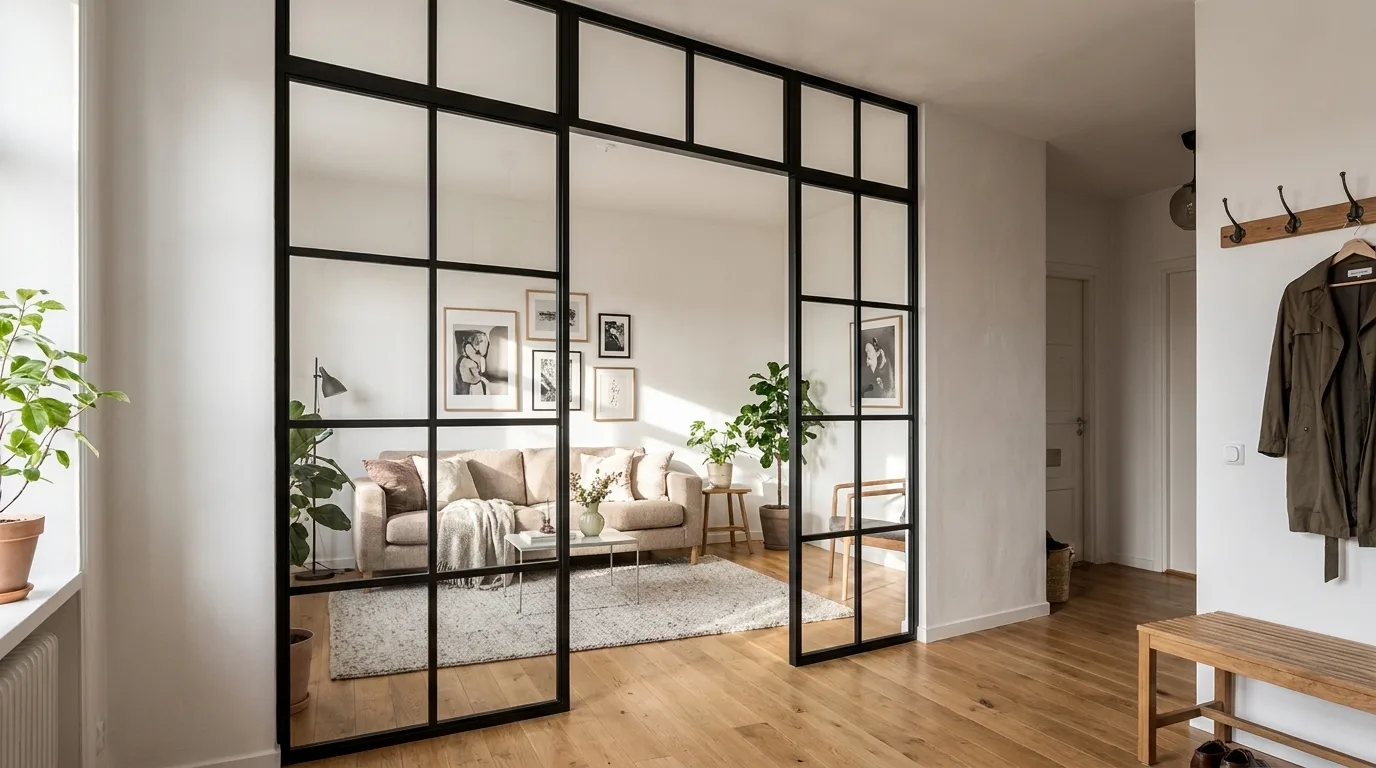
Colour and surface finish remain among the most differentiated aspects of Manufaktur X's custom shelving offer. The table below ranks the ten most-selected finishes in May 2026, together with their April shares and the month-on-month change in percentage points.
| Rank | Finish / Colour | May 2026 (%) | April 2026 (%) | Change (PP) |
|---|---|---|---|---|
| 1 | Matte Black (RAL 9005) | 28.4% | 26.5% | +1.9 PP |
| 2 | Pure White (RAL 9010) | 12.3% | 13.7% | -1.4 PP |
| 3 | Anthracite Grey (RAL 7016) | 11.8% | 11.2% | +0.6 PP |
| 4 | Raw / Waxed Steel | 10.9% | 9.4% | +1.5 PP |
| 5 | Cream White (RAL 9001) | 6.6% | 6.9% | -0.3 PP |
| 6 | Graphite (RAL 7024) | 6.1% | 5.8% | +0.3 PP |
| 7 | Traffic White (RAL 9016) | 5.7% | 6.3% | -0.6 PP |
| 8 | Olive Green (RAL 6003) | 5.2% | 4.1% | +1.1 PP |
| 9 | Signal Red (RAL 3001) | 3.4% | 3.8% | -0.4 PP |
| 10 | Rust / Patinated Steel | 2.9% | 2.6% | +0.3 PP |
| Other / Custom RAL | 6.7% | 9.7% | -3.0 PP |
Matte black's continued ascent to 28.4% - nearly three in ten configurations - reflects how deeply embedded the industrial shelving aesthetic has become in UK residential and commercial interiors. Showrooms and interior-design media consistently showcase open steel shelving in black frames paired with timber boards, and configurator behaviour mirrors this. The notable gainer outside the top two is olive green (RAL 6003), which rose 1.1 PP to 5.2%: this is a colour that has been growing quietly across European configurator data and appears to be reaching a broader UK audience, particularly among buyers fitting shelving in period properties and kitchen-dining spaces. The sharp 3.0 PP decline in the 'Other/Custom RAL' bucket is worth monitoring - it may indicate that the standard palette is now comprehensive enough to satisfy most buyers without the need for a bespoke colour specification.
Top Materials and Finishes
Beyond the steel frame finish, UK buyers configure the shelf-board surface material independently. The following table captures the distribution of shelf-board materials selected in May 2026.
| Rank | Shelf-Board Material | May 2026 (%) | April 2026 (%) | Change (PP) |
|---|---|---|---|---|
| 1 | Solid Oak (natural oiled) | 31.2% | 29.1% | +2.1 PP |
| 2 | Solid Pine (whitewashed) | 14.7% | 15.9% | -1.2 PP |
| 3 | Steel Mesh / Perforated Steel | 13.4% | 11.8% | +1.6 PP |
| 4 | Smoked / Tinted Glass Shelf | 9.8% | 9.1% | +0.7 PP |
| 5 | Solid Walnut | 8.6% | 7.9% | +0.7 PP |
| 6 | Solid Oak (dark stained) | 7.3% | 8.2% | -0.9 PP |
| 7 | Clear Tempered Glass Shelf | 5.9% | 6.4% | -0.5 PP |
| 8 | Reclaimed / Aged Timber | 4.8% | 5.3% | -0.5 PP |
| 9 | Powder-Coated Steel Board | 2.7% | 3.4% | -0.7 PP |
| 10 | Other / Custom Material | 1.6% | 2.9% | -1.3 PP |
Solid oak in its natural oiled form leads comfortably at 31.2%, reinforcing the finding that UK buyers overwhelmingly prefer a warm timber surface against a steel frame. The 2.1 PP rise from April is the largest single-month gain this material has recorded since November 2025. Steel mesh and perforated steel shelf boards rose 1.6 PP to 13.4%, suggesting growing interest in utility-oriented or workshop-style builds where ventilation and visual lightness matter more than surface area. Smoked glass shelves (9.8%) and solid walnut (8.6%) both edged upward, catering to buyers seeking a more premium or contemporary finish on their large shelving unit. According to Manufaktur X configurator data, solid oak shelf boards have now been the leading material choice in the UK for eleven consecutive months.
Top Dimensions
Dimensional choices are where the bespoke nature of Manufaktur X's custom shelving offer is most apparent. The tables below cover width and height distributions separately.
Width Distribution
| Rank | Width Band | May 2026 (%) | April 2026 (%) | Change (PP) |
|---|---|---|---|---|
| 1 | 120 cm - 149 cm | 24.6% | 23.9% | +0.7 PP |
| 2 | 150 cm - 180 cm | 21.7% | 20.4% | +1.3 PP |
| 3 | 90 cm - 119 cm | 18.3% | 19.1% | -0.8 PP |
| 4 | 181 cm - 220 cm | 14.2% | 13.4% | +0.8 PP |
| 5 | 60 cm - 89 cm | 9.8% | 10.7% | -0.9 PP |
| 6 | 221 cm - 280 cm | 7.1% | 6.3% | +0.8 PP |
| 7 | Under 60 cm | 2.6% | 3.8% | -1.2 PP |
| 8 | Over 280 cm | 1.7% | 2.4% | -0.7 PP |
Height Distribution
| Rank | Height Band | May 2026 (%) | April 2026 (%) | Change (PP) |
|---|---|---|---|---|
| 1 | 200 cm - 240 cm | 38.7% | 35.6% | +3.1 PP |
| 2 | 160 cm - 199 cm | 27.4% | 28.9% | -1.5 PP |
| 3 | 120 cm - 159 cm | 16.8% | 17.3% | -0.5 PP |
| 4 | 241 cm - 280 cm | 9.6% | 8.1% | +1.5 PP |
| 5 | Under 120 cm | 5.2% | 7.4% | -2.2 PP |
| 6 | Over 280 cm | 2.3% | 2.7% | -0.4 PP |
The dimensional data tells a coherent story: UK buyers are consistently gravitating towards larger, taller custom shelving configurations. The 200-240 cm height band is now the single largest segment at 38.7%, up a substantial 3.1 PP from April. This aligns with the growing use of open steel shelving as a near-architectural element in open-plan spaces - units that reach close to ceiling height function as both storage and visual partitions, sometimes complementing a dedicated Room Divider. In terms of width, the 120-180 cm combined band at 46.3% reflects the practical constraints of typical UK living rooms and kitchen-diners, where alcoves and chimney-breast recesses commonly fall within this range. The notable decline in units under 60 cm wide (-1.2 PP) and under 120 cm tall (-2.2 PP) suggests that buyers are actively choosing the large shelving unit category for its full potential rather than configuring modestly sized pieces.
Top Styles
Manufaktur X's large shelf configurator allows buyers to select from a range of structural styles that define the overall visual language of the unit. The five primary style categories and their May 2026 shares are as follows.
| Rank | Structural Style | May 2026 (%) | April 2026 (%) | Change (PP) |
|---|---|---|---|---|
| 1 | Open Frame (no back panel) | 41.3% | 39.8% | +1.5 PP |
| 2 | Semi-Open with Side Panels | 22.7% | 23.4% | -0.7 PP |
| 3 | Wall-Mounted Floating | 18.4% | 17.6% | +0.8 PP |
| 4 | Freestanding with Back Grid | 11.6% | 12.9% | -1.3 PP |
| 5 | Corner / L-Shaped Configuration | 6.0% | 6.3% | -0.3 PP |
Open-frame configurations - freestanding steel-and-timber units with no back panel - retain their commanding lead at 41.3%. This style is the clearest expression of the industrial shelving look: visible steel uprights and shelf boards, accessible from both sides, suited to island placement in open-plan kitchens, studios, and offices. The 1.5 PP gain suggests its appeal is still broadening. Wall-mounted floating shelf builds grew 0.8 PP to 18.4%, a style particularly popular in smaller urban flats where floor space is at a premium. Freestanding with back grid lost 1.3 PP, possibly because buyers who want a back element are increasingly choosing a purpose-built room divider product rather than a back-gridded shelf unit.
Average Price Analysis
Pricing data is drawn from the final configured price presented to the user at the point of saving or submitting their configuration. All figures are in pounds sterling.
| Price Metric | May 2026 | April 2026 | Change |
|---|---|---|---|
| Average Configured Price | £1,847 | £1,789 | +£58 (+3.2%) |
| Median Configured Price | £1,675 | £1,620 | +£55 (+3.4%) |
| Most Common Price Band | £1,400 - £1,999 | £1,400 - £1,999 | Unchanged |
| Highest Configured Price | £6,340 | £5,890 | +£450 (+7.6%) |
| Lowest Configured Price | £915 | £475 | +£15 (+3.2%) |
The £58 rise in average price to £1,847 is primarily a function of two concurrent trends: buyers configuring wider units (pushing material cost up) and a growing share opting for solid oak or walnut shelf boards over pine or steel mesh. The median price of £1,675 remains comfortably below the mean, indicating that a large segment of buyers is still configuring relatively straightforward, mid-sized made-to-measure shelf units, while a smaller high-spend cohort - those configuring large, multi-tier, premium-material units - pulls the mean upward.
The highest configured price of £6,340 likely reflects a very wide (200+ cm), very tall (250+ cm), multi-tier walnut-and-steel unit with bespoke powder-coat colour, representing the ceiling of what the UK market is prepared to spend on a single custom shelving piece through the online configurator. The price band £1,400-£1,999 remains the most densely populated, capturing 34.6% of all configurations - a figure that has been stable for three consecutive months.
Regional Insights
Geographic analysis of the 1,789 UK configurations reveals a market that is London-anchored but increasingly distributed. The table below provides a regional breakdown.
| Region | Share of Configurations (%) | April 2026 (%) | Change (PP) |
|---|---|---|---|
| London | 32.4% | 33.8% | -1.4 PP |
| South East England | 11.3% | 10.9% | +0.4 PP |
| North West England (inc. Manchester) | 10.7% | 10.2% | +0.5 PP |
| Yorkshire & Humber (inc. Leeds) | 8.9% | 7.6% | +1.3 PP |
| South West England (inc. Bristol) | 7.8% | 6.9% | +0.9 PP |
| West Midlands (inc. Birmingham) | 7.2% | 7.4% | -0.2 PP |
| Scotland (inc. Edinburgh, Glasgow) | 6.8% | 6.1% | +0.7 PP |
| East of England | 5.4% | 5.8% | -0.4 PP |
| Wales | 3.2% | 3.4% | -0.2 PP |
| East Midlands | 3.1% | 3.9% |