How Industrial Design is Revolutionising Modern British Interiors
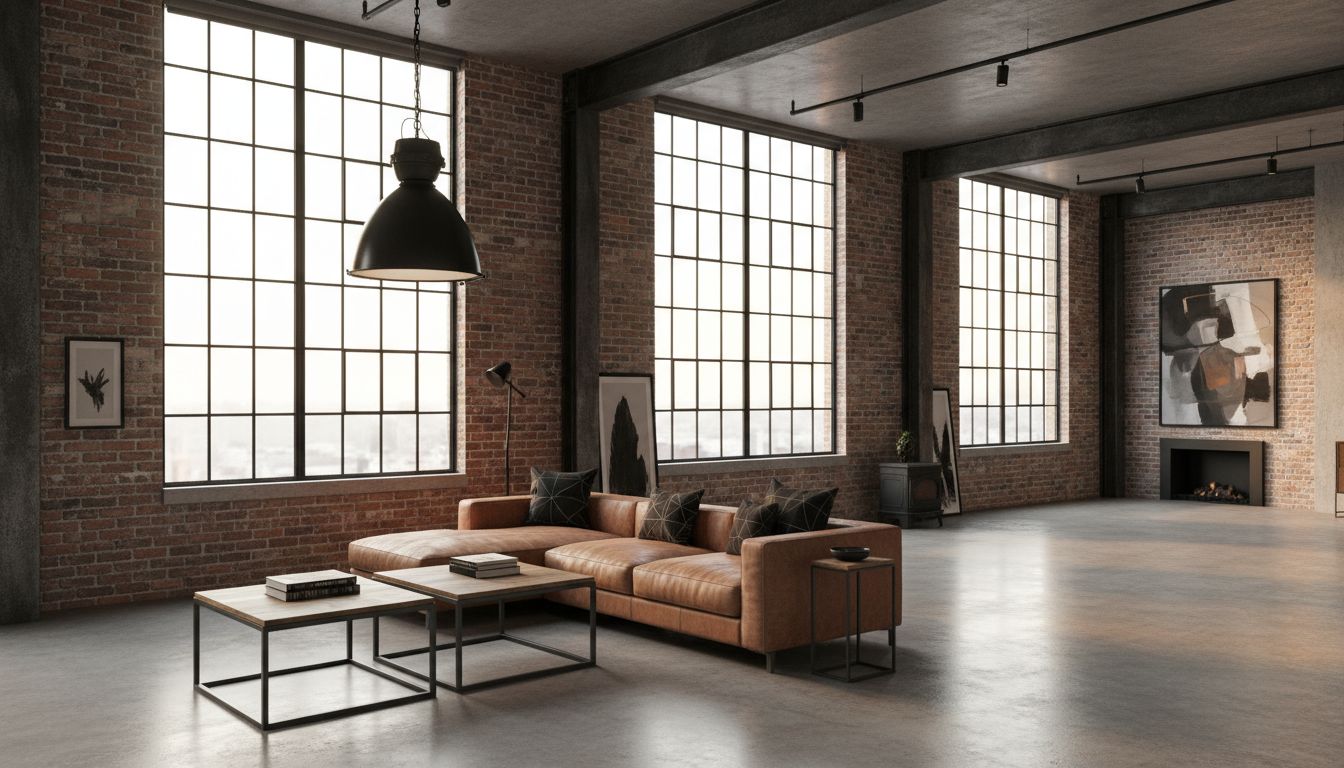
The landscape of contemporary interior design continues to evolve, with industrial aesthetics leading a remarkable transformation in how we conceptualise living spaces. From converted Victorian warehouses in Manchester to sleek London penthouses, these design movements are redefining the relationship between form and function across British homes.
Understanding these shifts becomes crucial for anyone looking to create spaces that feel both current and timeless. Today's industrial design transcends mere aesthetics—it's about crafting environments that adapt to our changing lifestyles whilst maintaining enduring appeal.
Sustainable Craftsmanship: The New Foundation of Design Excellence
Environmental consciousness has evolved from an afterthought to the cornerstone of modern design philosophy. This transformation affects every aspect of interior planning, from material selection to manufacturing processes.
Contemporary sustainable design emphasises:
- Responsibly sourced timber with unique grain patterns that tell their own story
- Steel frames utilising innovative production methods that minimise waste
- Powder coating processes that eliminate harmful solvents whilst delivering superior durability
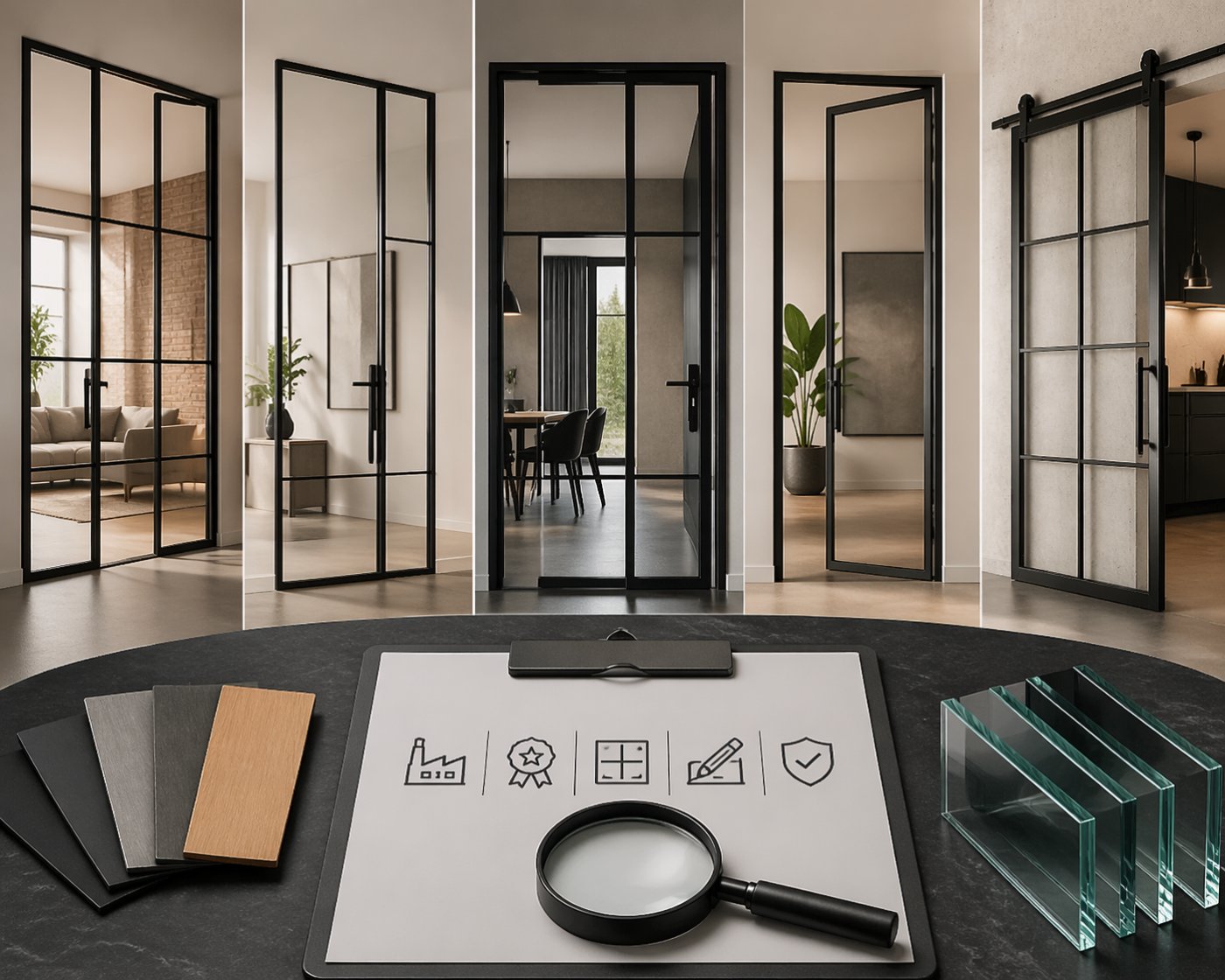
This approach particularly shines in bespoke furniture and architectural elements. Rather than purchasing mass-produced items destined for replacement, discerning homeowners invest in custom pieces that grow with their needs. Loft-style doors, for instance, can be precisely tailored to complement existing architectural features whilst providing decades of reliable service.
Characterful Minimalism: Beyond Stark Simplicity
The evolution of minimalist design has reached an exciting inflection point. Gone are the cold, sterile interpretations of previous decades. Today's approach embraces reduction with purpose whilst celebrating personality and warmth.
This refined minimalism manifests through:
- Strategic use of negative space to highlight carefully chosen focal points
- Monochromatic schemes punctuated by meaningful accent pieces
- Clean architectural lines that frame rather than dominate living areas
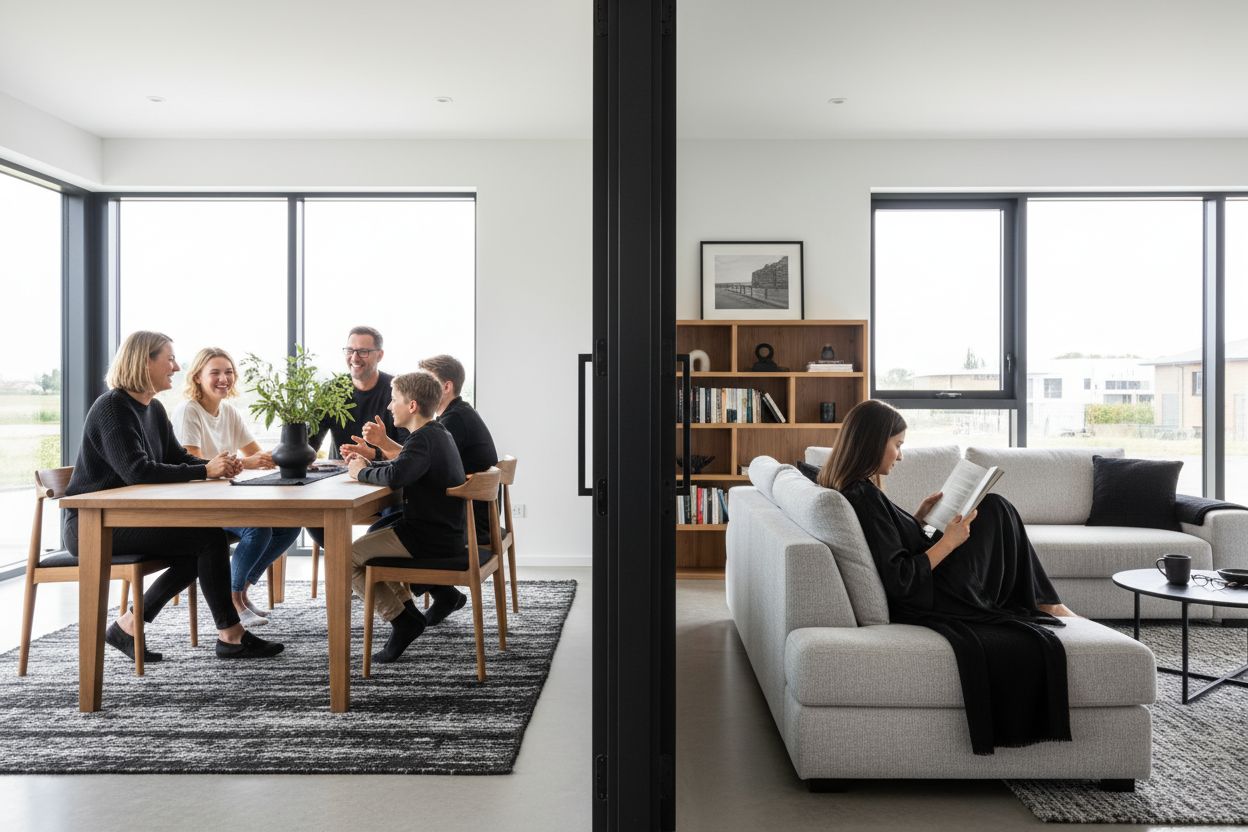
Industrial-inspired room dividers exemplify this philosophy perfectly. They create distinct zones without sacrificing the sense of flow that characterises contemporary open-plan living. The transparency of glass combined with robust steel framing offers exactly the right balance between definition and openness.
Technology Integration That Remains Invisible
The most successful contemporary interiors seamlessly blend cutting-edge functionality with timeless design principles. This integration requires thoughtful planning rather than obvious gadgetry.
Smart design integration focuses on:
- Intuitive operation that requires no instruction manuals
- Technology that enhances rather than dominates the visual landscape
- Multifunctional elements that serve multiple purposes elegantly
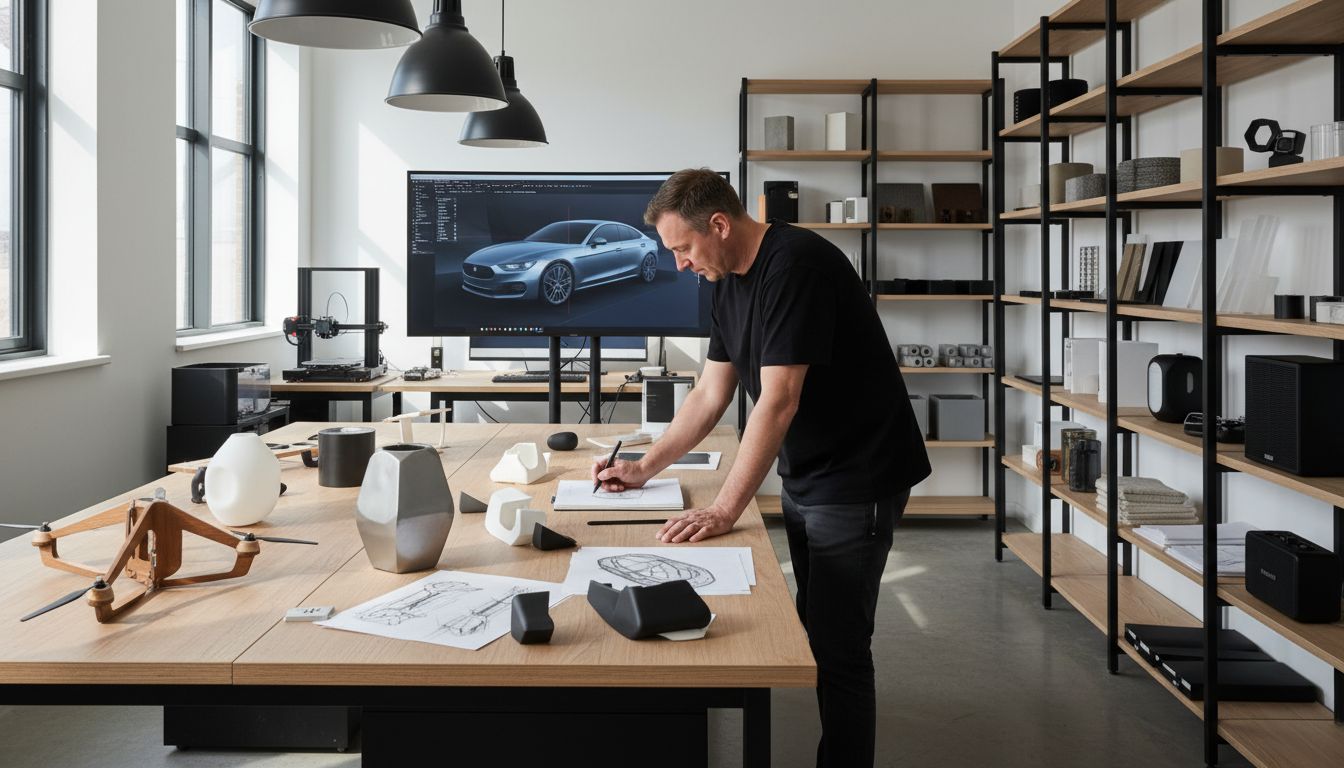
The rise of customisation tools, such as 3D configurators that allow real-time visualisation of bespoke pieces, demonstrates how technology can enhance the design process without compromising aesthetic integrity. These tools enable precise specification of dimensions, materials, and finishes before production begins.
Adaptive Living Spaces for Modern British Lifestyles
The fundamental shift towards flexible home working has accelerated demand for adaptable interior solutions. British homeowners increasingly require spaces that transition seamlessly between professional and personal use.
This flexibility emerges through:
- Modular furniture systems that reconfigure quickly
- Architectural elements that redefine spaces without permanent alteration
- Storage solutions that accommodate changing functional requirements
Period properties present unique opportunities in this regard. A well-designed room divider can transform a Georgian drawing room into a productive workspace during office hours, then dissolve back into entertaining space for evening relaxation. The key lies in choosing elements that complement rather than compete with existing architectural character.
The Renaissance of Artisanal Quality
Perhaps the most significant shift in contemporary design involves the renewed appreciation for craftsmanship and individuality. This movement represents a direct response to decades of mass production and planned obsolescence.
Modern craftsmanship values include:
- Visible evidence of skilled handwork as a mark of quality
- Customisation options that reflect personal taste and spatial requirements
- Design narratives that create emotional connections with living spaces
This appreciation extends particularly to architectural elements that become permanent features of the home. Custom metalwork, precision joinery, and individually specified glass work contribute to spaces that feel genuinely personal rather than showroom-standard.
Biophilic Design: Bringing Nature Indoors
An emerging trend within industrial design involves incorporating natural elements to create healthier, more engaging environments. This biophilic approach recognises our innate connection to natural forms and materials.
Successful biophilic integration includes:
- Natural timber species that age gracefully and develop character over time
- Generous glazing that maximises natural light whilst framing garden views
- Organic shapes that soften industrial geometries
The contrast between robust steel frames and living plants creates particularly striking visual compositions. Large glass panels in custom furniture pieces can frame interior gardens or outdoor views, maintaining visual connections with nature even in densely urban environments.
Why These Trends Matter for British Homeowners
These design movements reflect broader cultural shifts towards sustainability, flexibility, and authenticity. They suggest a future where homes become more personal, more adaptable, and more environmentally responsible.
For homeowners considering interior updates, these trends offer valuable guidance. Investment in well-designed, customisable elements ensures spaces remain relevant as lifestyle needs evolve. The emphasis on quality craftsmanship means these pieces will provide service measured in decades rather than fashion seasons.
Manufacturing processes have evolved to support this approach. Production timelines of 5-6 weeks for custom pieces, combined with comprehensive design tools, make bespoke solutions accessible to a broader audience than ever before.
Practical Implementation in British Homes
Translating these trends into real living spaces requires strategic thinking about long-term functionality alongside immediate visual impact. The most successful approaches focus on:
- Selecting fewer, higher-quality pieces rather than numerous mediocre items
- Ensuring every element serves both functional and aesthetic purposes
- Planning for adaptability as family circumstances change
ManufakturX exemplifies this philosophy through its approach to custom interior elements. Each piece undergoes individual specification to meet precise spatial and functional requirements, ensuring perfect integration with existing architectural features.
The company's 3D configurator enables detailed exploration of design options before commitment, whilst production in the EU ensures consistent quality standards and streamlined delivery to British customers, with all customs procedures handled seamlessly.
Looking Forward: The Future of Industrial Design
These five trends indicate industrial design's continuing evolution towards greater personalisation, environmental responsibility, and functional sophistication. The movement away from mass production towards considered customisation represents a fundamental shift in how we approach interior spaces.
For homeowners embarking on design projects, these trends provide a framework for making decisions that will remain relevant and satisfying for years to come. The combination of industrial aesthetics with sustainable practices and advanced customisation options offers unprecedented opportunities to create truly individual living environments.
Whether updating a single room or planning comprehensive renovations, incorporating these design principles ensures spaces that are both contemporary and enduring. The key lies in understanding that great design serves both immediate needs and long-term aspirations, creating environments that enhance daily life whilst expressing personal values and aesthetic preferences.
Explore our complete range of customisable interior solutions to discover how these trends can transform your own living spaces.