Why Industrial Doors Are Transforming British Homes
Walk through any trendy neighbourhood in London, Manchester, or Bristol, and you'll spot them through windows: sleek steel-framed doors with glass panels that blur the line between rooms. Industrial doors—also known as loft doors or Crittall-style doors—have become the statement piece of choice for homeowners seeking to modernise their spaces.
But are they right for your home? The choice between industrial and traditional doors goes far beyond aesthetics. It touches on how we live, work, and experience our homes in modern Britain.
The Character of Industrial Doors
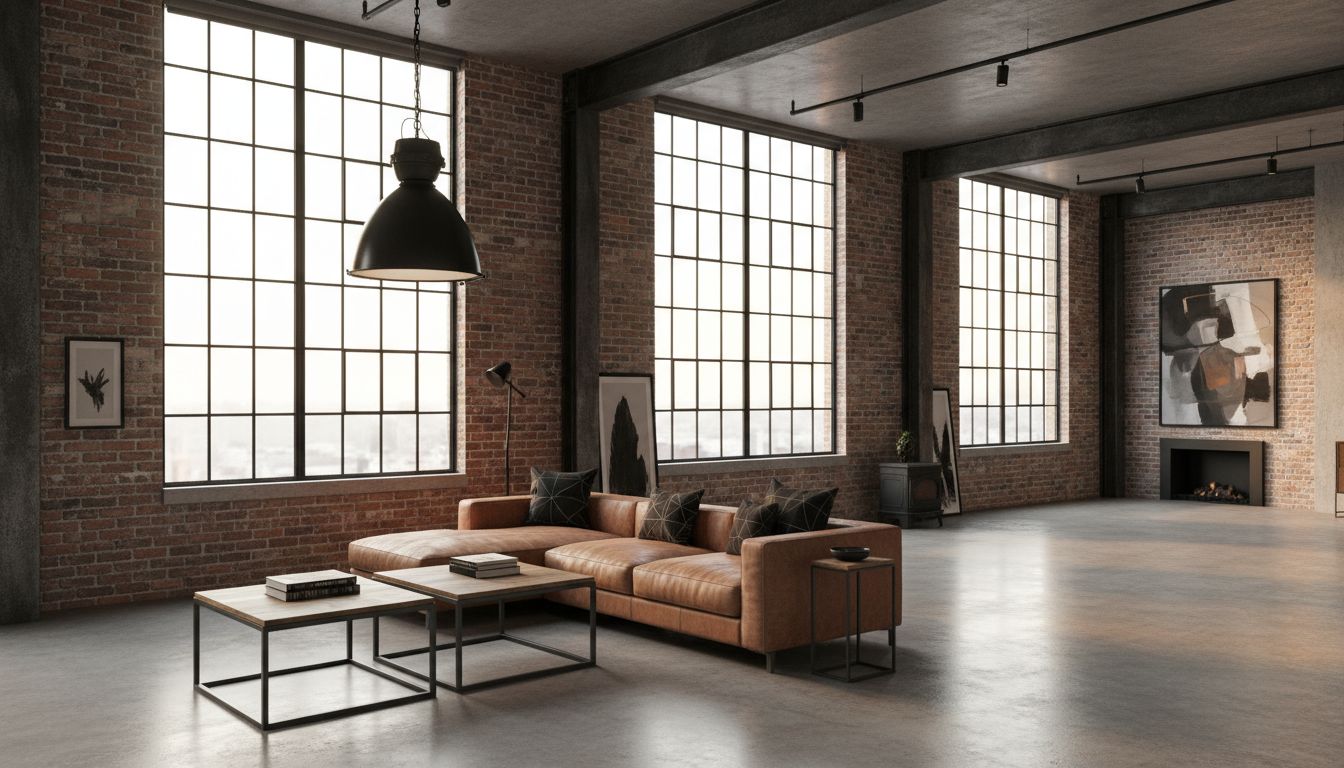
Industrial doors originated in early 20th-century factories and warehouses. Today, they're finding new life in converted Victorian mills, modern apartments, and period properties across the UK. Their defining features include:
- Robust steel frames with powder coating for durability
- Large glass panels that maximise light flow
- Grid patterns (known as glazing bars) that add architectural interest
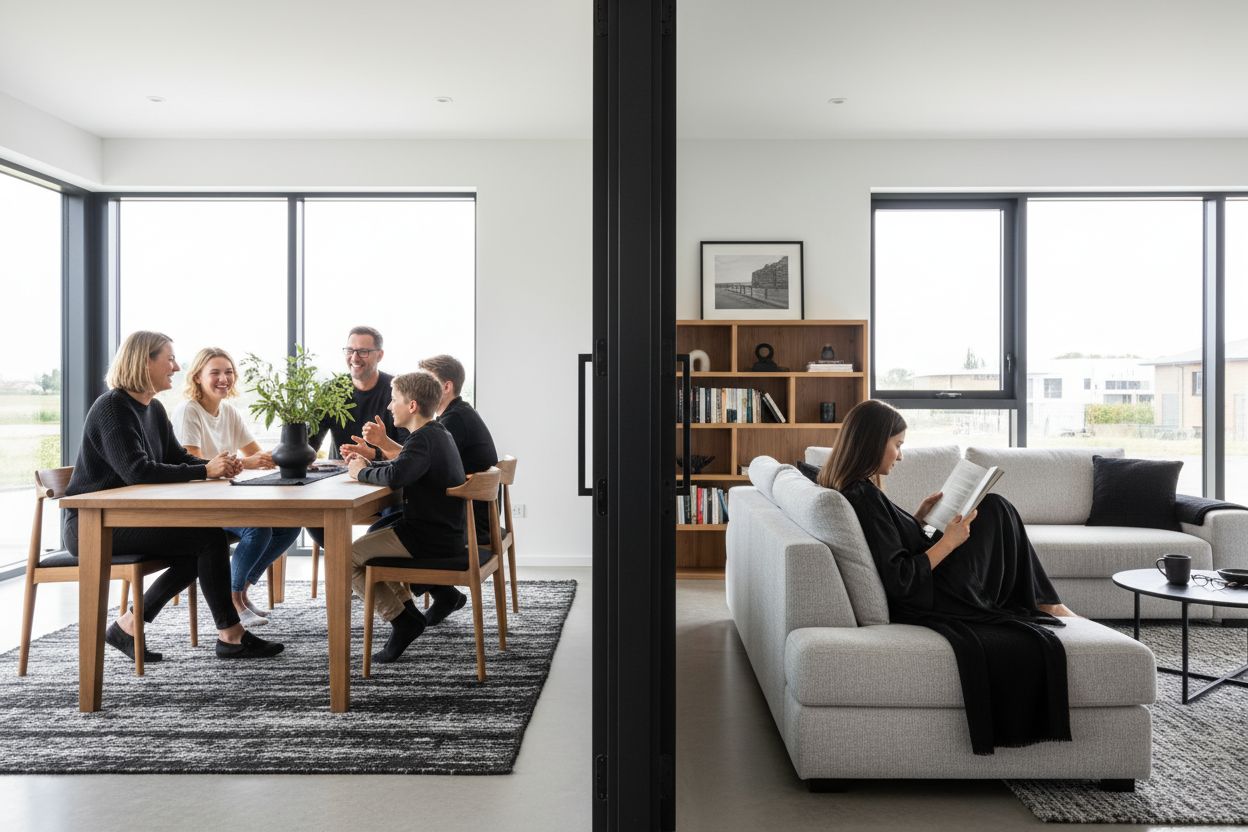
- Ability to separate spaces whilst maintaining visual connection
Picture this: you're working from your home office in a converted London flat. An industrial door allows you to close off your workspace for video calls whilst keeping the natural light flowing from your living room window into the hallway.
Traditional Doors: The British Standard
Traditional wooden doors remain the backbone of British housing. Whether you're in a Georgian terrace or a 1960s semi, solid timber doors offer:
- Complete privacy between rooms
- Superior acoustic separation
- Familiarity and widespread availability
- Compatibility with existing door frames
Practical Differences That Matter
The choice between these door styles affects daily life in unexpected ways:
Light and Space: Industrial doors excel at making small British homes feel larger. The glass panels allow precious natural light to travel between rooms—crucial during our shorter winter days. Traditional doors, conversely, contain light within individual rooms.
Heating Considerations: With energy costs soaring across the UK, thermal efficiency matters more than ever. Solid wooden doors help maintain different temperatures between rooms, whilst glass-panelled doors allow heat to migrate more freely.
Where Industrial Doors Excel in British Homes
Industrial doors prove particularly effective in specific scenarios common to UK housing:
Victorian Conversions: Many period properties feature long, narrow layouts with limited natural light. Industrial doors between reception rooms can transform dark corridors into bright, welcoming spaces.
Open Plan Adaptations: As British families increasingly favour open-plan living, industrial doors offer a clever compromise. You can separate your kitchen from your dining area for cooking smells whilst maintaining the airy feel during dinner parties.
Home Offices: The rise of working from home has made flexible spaces essential. An industrial door can transform any room into a professional workspace without completely isolating you from family life.
When Traditional Doors Remain Superior
Despite their growing popularity, industrial doors aren't always the answer:
Bedrooms and Bathrooms: Privacy remains paramount in these spaces. The translucent quality of glass panels, even with frosted glass, may not provide the seclusion most households require.
Children's Spaces: Young families often benefit from the acoustic separation that solid doors provide, allowing parents to maintain different schedules for work and rest.
Period Property Authenticity: If you're restoring a listed building or maintaining historical accuracy, traditional doors may be more appropriate.
The Cost Reality for UK Homeowners
Budget considerations play a significant role in door selection across British households. Here's what you can expect:
Industrial doors typically require a higher initial investment than standard hollow-core doors from DIY retailers. However, they're often comparable to high-quality solid wood doors when you factor in their longevity and impact on property values.
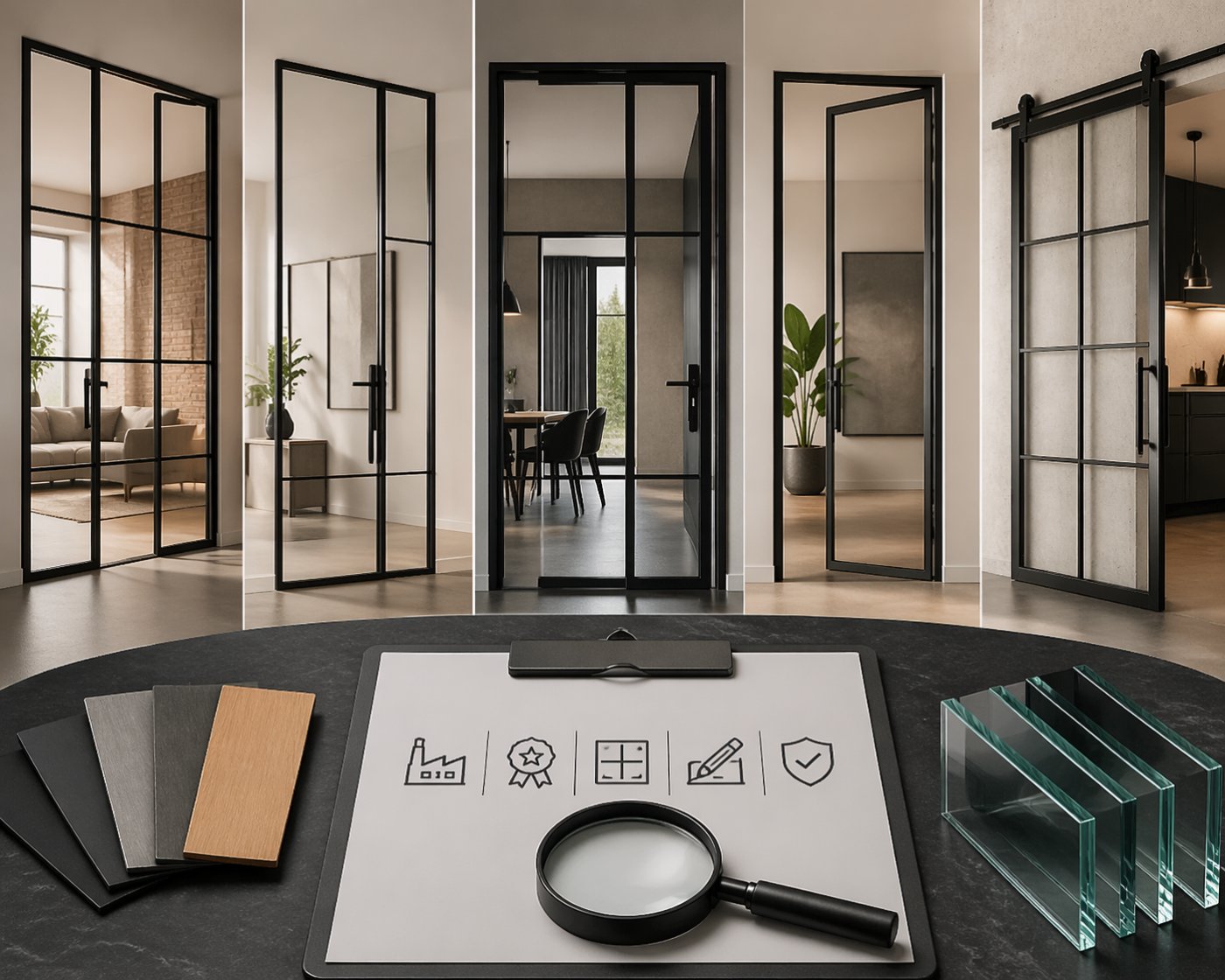
The bespoke nature of many industrial doors means pricing varies significantly based on:
- Exact dimensions (Victorian properties rarely feature standard sizes)
- Frame finish and powder coating colour
- Glass specification (clear, frosted, or safety glass)
- Glazing bar configuration
- Hardware selection
At Manufaktur X, our 3D configurator allows you to experiment with different options whilst seeing real-time pricing, ensuring no surprises during your planning process.
Installation Considerations for UK Properties
British homes present unique challenges for door installation, particularly in period properties where nothing is quite square or standard.
Structural Requirements
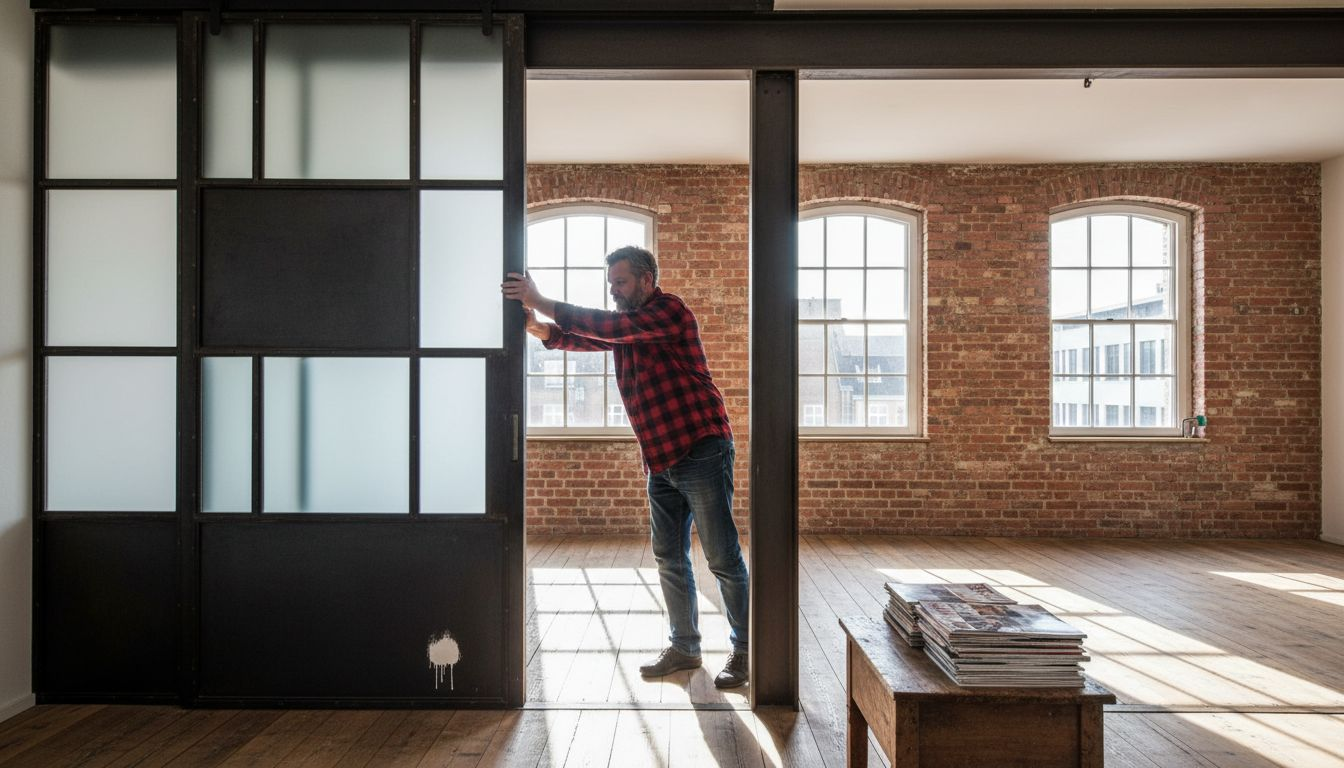
Industrial doors typically weigh more than traditional alternatives due to their steel construction and glass panels. This weight requires:
- Adequate wall support (particularly important in older properties)
- Level floors (essential for sliding variants)
- Proper clearance calculations for opening doors
Professional Installation Benefits
Whilst confident DIYers might tackle hanging a standard door, industrial doors often benefit from professional installation. The precision required for proper operation and the weight involved make this a worthwhile investment for most homeowners.
Maintenance Through British Seasons
Our climate presents specific maintenance considerations for both door types:
Industrial Doors: The powder-coated steel frames resist corrosion and require minimal upkeep. Glass panels need regular cleaning—particularly important given our frequent rain and urban pollution. A monthly wipe-down keeps them looking pristine.
Traditional Doors: Solid wood doors may expand and contract with our variable humidity levels. Annual checks of hinges and periodic refinishing of painted surfaces help maintain their appearance and function.
Design Flexibility with Modern Manufacturing
Today's custom door manufacturers offer unprecedented design flexibility. Whether you're furnishing a converted warehouse in Manchester or a cottage in the Cotswolds, options include:
- Minimal glazing patterns for contemporary aesthetics
- Traditional grid designs that complement period features
- Custom powder coating in any RAL colour
- Various glass options from crystal clear to decorative patterns
The industrial door configurator allows you to visualise these choices in real-time, helping you make confident decisions before committing to your investment.
Making the Right Choice for Your Home
The decision between industrial and traditional doors ultimately depends on your lifestyle, property type, and design preferences. Consider these questions:
- How important is natural light distribution in your home?
- Do you prefer open, connected spaces or defined, private rooms?
- What's your tolerance for glass cleaning and maintenance?
- Does your property's character suit industrial aesthetics?
- What's your budget for this improvement?
For many British homeowners, the answer isn't either/or but a thoughtful combination. Industrial doors might work beautifully between your kitchen and dining room whilst traditional doors maintain privacy in bedrooms and bathrooms.
The Future of Interior Doors in British Homes
As our homes continue evolving to support flexible living arrangements, industrial doors represent more than a design trend. They're a practical solution to the challenge of creating adaptable spaces in properties that weren't designed for modern life.
Whether you choose the transparency and light of industrial doors or the privacy and tradition of wooden alternatives, investing in quality craftsmanship ensures your choice will enhance your home for years to come. With a production time of 5-6 weeks and delivery across the UK with all customs and duties handled, exploring your options has never been more straightforward.