Why Ceiling Design Matters More Than You Think
Walk into any beautifully designed British home—whether it's a converted Victorian warehouse in Manchester or a contemporary flat in Edinburgh—and you'll notice something remarkable. The most striking spaces aren't just defined by their furniture or wall colour; they're elevated by thoughtful ceiling design.
Yet ceiling design remains the most underutilised aspect of British interior styling. Whilst homeowners obsess over flooring choices and wall treatments, the vast expanse above our heads often gets little more than a coat of magnolia paint.
This oversight represents a massive missed opportunity. Your ceiling occupies the largest uninterrupted surface in any room, making it potentially the most influential design element in your entire home.
Transformative Ceiling Techniques for British Homes
Colour Psychology Overhead
The psychological impact of ceiling colour is profound, particularly in British homes where natural light can be limited. A rich navy ceiling in a drawing room creates an intimate, cocooning effect—perfect for those long winter evenings. Conversely, warm terracotta tones bring Mediterranean warmth to counteract our famously grey skies.
Subtle cream and dove grey remain timeless choices that work beautifully with both period features and contemporary furnishings. The key is selecting hues that complement your lifestyle and the room's primary function.
Material Innovation
Modern ceiling materials offer exciting possibilities for British homes:
- Timber cladding brings Scandinavian hygge to urban spaces
- Stretched fabric systems create seamless, sophisticated surfaces
- Textured plaster adds architectural interest without overwhelming smaller rooms
- Decorative moulding pays homage to our rich architectural heritage
Height Manipulation Strategies
British properties often feature challenging ceiling heights—from cramped loft conversions to cavernous Georgian rooms. Strategic design can optimise both extremes.
For lower ceilings common in period terraces, painting the ceiling one shade lighter than the walls creates an illusion of height. Vertical design elements draw the eye upward, making rooms feel more spacious than their dimensions suggest.
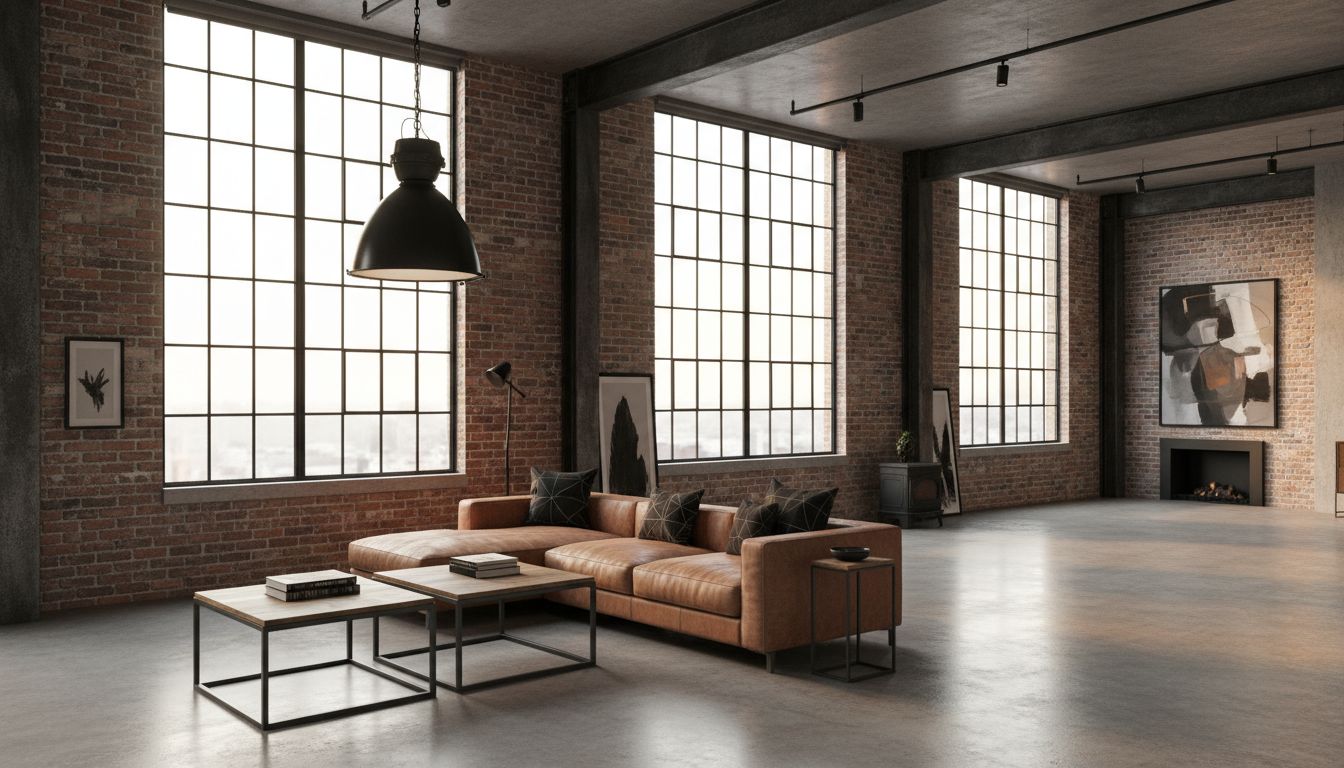
Conversely, high ceilings in converted industrial spaces can feel austere. Suspended elements or bold colour choices bring these expanses down to human scale, creating more intimate environments.
Lighting as Ceiling Architecture
Lighting design represents perhaps the most dramatic way to transform ceiling spaces. Traditional pendant lighting suits period properties, whilst recessed spotlights complement contemporary aesthetics.
The most sophisticated approach involves layered lighting systems. Ambient lighting provides overall illumination, task lighting serves functional needs, and accent lighting highlights architectural features or artwork.
Hidden LED strips along ceiling perimeters create a floating effect that's particularly striking in modern loft conversions. This technique makes ceilings appear to hover, adding drama whilst maintaining clean lines.
Creating Zones Through Ceiling Design
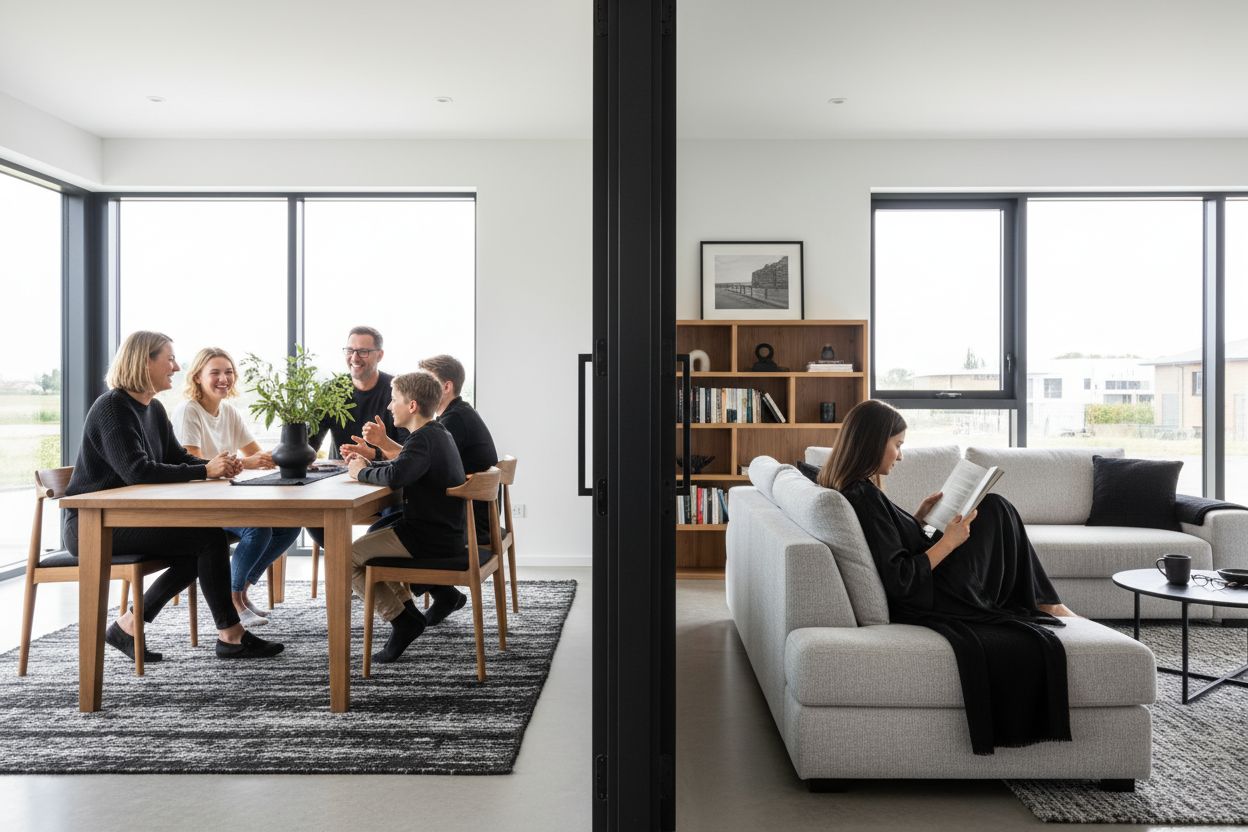
Open-plan living has become increasingly popular in British homes, from converted warehouse apartments to new-build estates. Ceiling design offers an elegant solution for defining different functional areas without physical barriers.
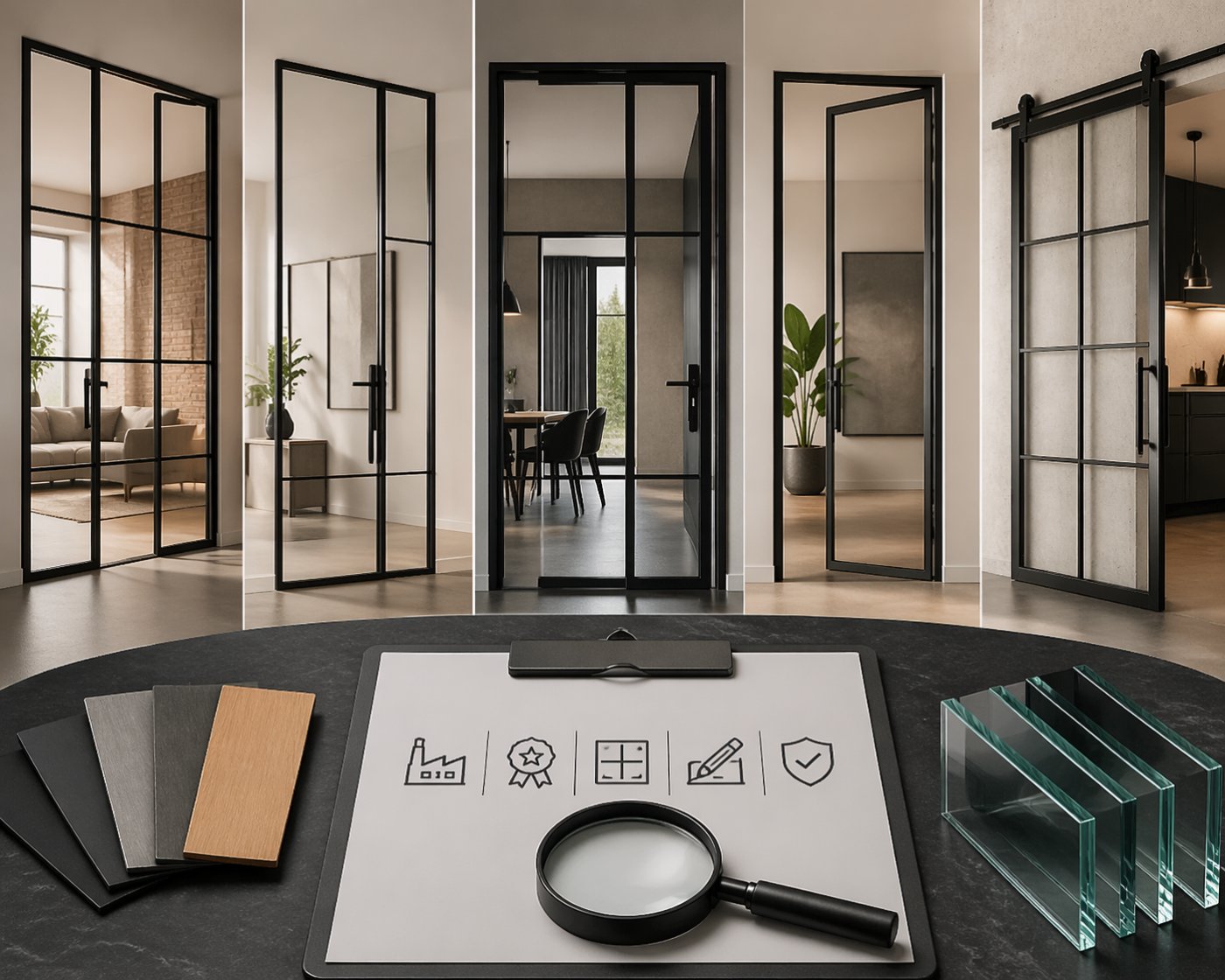
Suspended ceiling sections can delineate dining areas from living spaces, whilst maintaining the open feel that makes these layouts so appealing. This approach works particularly well when combined with custom loft doors that can close off spaces when privacy is needed.
The interplay between ceiling design and architectural elements creates sophisticated, cohesive interiors. ManufakturX specialises in creating bespoke pieces that complement these design strategies, with all products made in the EU to exact customer specifications.
Acoustic Considerations for Better Living
Modern British homes often suffer from poor acoustics—hard surfaces create echo and noise transfer between floors. Ceiling-mounted acoustic panels offer an elegant solution that enhances both comfort and style.
Contemporary acoustic materials come in numerous designs, from subtle textured panels to bold geometric patterns. These elements improve conversation quality whilst adding visual interest.
Practical Implementation Guide
Assessment and Planning
Before undertaking any ceiling transformation, evaluate your space honestly. Consider ceiling height, natural light levels, and the room's primary function. Factor in practical elements like existing lighting fixtures and any period features worth preserving.
Budget-Conscious Approaches
Ceiling transformation doesn't require enormous investment. Simple paint techniques can create dramatic effects—try colour-washing for subtle texture or stencilling for pattern interest.
Adhesive ceiling tiles offer affordable texture options, whilst removable wallpaper allows temporary transformation perfect for rental properties.
Professional vs DIY Considerations
Many ceiling projects suit capable DIY enthusiasts. Painting, lightweight decorative elements, and simple lighting installations fall within most homeowners' capabilities.
However, structural modifications, complex lighting systems, and suspended ceiling installations require professional expertise. Safety considerations make professional installation essential for anything involving electrical work or structural changes.
Style-Specific Ceiling Approaches
Industrial Heritage
Britain's industrial heritage provides rich inspiration for contemporary ceiling design. Exposed brick, visible ductwork, and raw concrete celebrate our manufacturing past whilst creating striking modern interiors.
Metal fixtures and Edison bulb lighting complete this aesthetic, particularly effective in converted mill buildings and modern urban developments.
Traditional British Elegance
Traditional British interiors call for more refined ceiling treatments. Ornate plasterwork, coffered designs, and subtle moulding details pay homage to our architectural heritage.
Modern interpretations use simplified versions of classical elements, creating spaces that feel both timeless and contemporary.
Scandinavian-Inspired Minimalism
The Scandinavian influence in British design emphasises clean lines and natural materials. Pale wood cladding, white paint, and minimal ornamentation create calm, uncluttered spaces.
This approach works particularly well in smaller British homes where simplicity maximises the sense of space.
Sustainability in Ceiling Design
Environmental consciousness increasingly influences British design choices. Sustainable ceiling materials include reclaimed timber, recycled acoustic panels, and low-VOC paints that improve indoor air quality.
Proper insulation integrated into ceiling design reduces energy consumption—particularly important given rising energy costs. Smart design choices can improve comfort whilst reducing environmental impact.
Room-Specific Ceiling Strategies
Kitchen Ceiling Solutions
British kitchens demand practical ceiling solutions that withstand steam and cooking odours. Wipeable surfaces and integrated ventilation become essential considerations.
Recessed lighting provides excellent task illumination for food preparation, whilst statement pendant lights over islands create focal points.
Bathroom Ceiling Considerations
Bathroom ceilings must resist humidity whilst maintaining style. Moisture-resistant paint, proper ventilation, and appropriate lighting create functional, attractive spaces.
Reflective surfaces can make small British bathrooms feel larger—particularly important in period properties with compact layouts.
Bedroom Ceiling Design
Bedroom ceilings should promote relaxation and rest. Soft colours, dimmable lighting, and sound-absorbing materials create peaceful retreats from busy British life.
Integration with Custom Furniture Solutions
Ceiling design works most effectively as part of a cohesive interior strategy. Custom room dividers and bespoke dining tables can echo ceiling design elements, creating unified, professionally designed spaces.
The 5-6 week production timeline for custom pieces allows for coordinated planning between ceiling work and furniture installation.
Future Trends in British Ceiling Design
Technology integration increasingly influences ceiling design. Smart lighting systems, integrated sound, and even climate control can be seamlessly incorporated into modern ceiling treatments.
Biophilic design trends bring natural elements overhead—from living walls that extend to ceilings to natural material choices that connect interiors with the outside world.
As British homes become more sophisticated, ceiling design will continue evolving from afterthought to focal point, creating more beautiful, functional living spaces for modern life.